Your Guide to Small Loans in Australia
- 06 Mins read
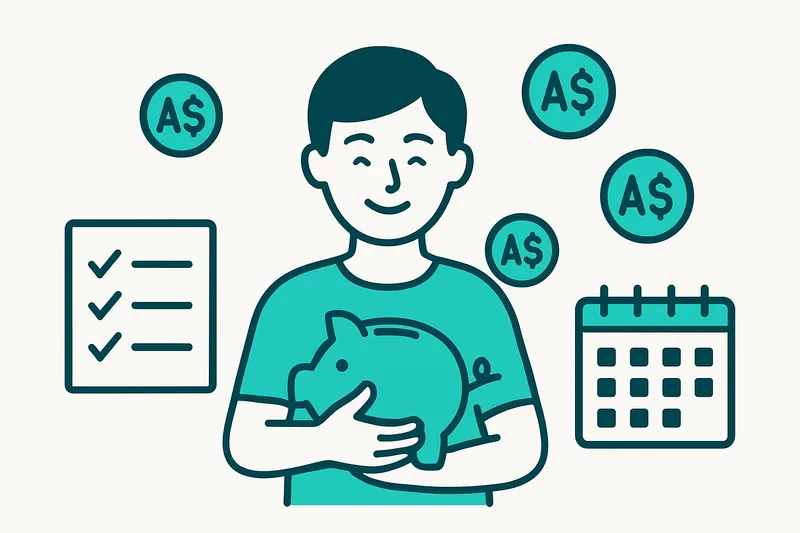
When unexpected expenses arise or you need a financial boost to reach your goals, small loans in Australia offer a practical solution. These loans, typically ranging from $500 to $5,000, provide quick access to funds without the complexities of larger financial commitments. Whether you're facing an emergency repair, consolidating minor debts, or investing in personal development, understanding how small loans work can help you make informed financial decisions.
What Are Small Loans?
Small loans are short-term financial products designed to provide quick access to modest amounts of money. In Australia, these loans generally fall into two categories: payday loans (under $2,000) and small amount credit contracts (SACCs) up to $5,000. Unlike traditional personal loans that might require extensive documentation and weeks of processing, small loans focus on accessibility and speed, often providing funds within 24-48 hours of approval.
The Australian Securities and Investments Commission (ASIC) regulates small loans to ensure fair lending practices and protect consumers from predatory lending. Recent regulatory updates in 2024 have strengthened these protections, particularly around responsible lending obligations and fee structures.
Types of Small Loans Available in Australia
Payday Loans
These ultra-short-term loans typically offer amounts between $100 and $2,000, with repayment periods ranging from 16 days to 12 months. While convenient, they often come with higher costs relative to the amount borrowed. ASIC regulations cap establishment fees at 20% of the loan amount and monthly fees at 4%.
Small Amount Credit Contracts (SACCs)
SACCs provide slightly larger amounts, from $2,001 to $5,000, with terms extending up to two years. These loans offer more breathing room for repayment and often feature lower relative costs than payday loans. Interest rates and fees are regulated to prevent excessive charges.
Personal Microloans
Offered by some credit unions and community organisations, these loans feature lower interest rates and are designed to help people on low incomes. Amounts typically range from $500 to $3,000, with more flexible repayment terms and financial counselling support included.
Buy Now, Pay Later (BNPL) Services
While not traditional loans, BNPL services have become increasingly popular for smaller purchases. Recent ASIC guidance in 2024 has brought these services under closer regulatory scrutiny to ensure consumer protection standards are met.
Benefits of Choosing Small Loans
The primary advantage of small loans lies in their accessibility and speed. When you're facing an urgent financial need, waiting weeks for traditional loan approval isn't always feasible. Small loans can often be approved within hours, with funds available the same day or next business day.
These loans also typically require minimal documentation. While traditional banks might request extensive financial records, small loan providers often need only proof of income, identification, and bank statements. This streamlined process makes them accessible to people who might struggle with conventional lending requirements.
For borrowers with less-than-perfect credit histories, small loans can provide a pathway to necessary funds. Many lenders use alternative assessment criteria beyond credit scores, considering current income and expenses to determine repayment capacity.
The fixed repayment structure of most small loans provides clarity and predictability. You'll know exactly how much you need to repay and when, making budgeting straightforward. This transparency helps avoid the debt spiral that can occur with credit cards' revolving credit structures.
Understanding the Costs
While small loans offer convenience, understanding their cost structure is crucial for making informed decisions. Interest rates on small loans typically range from 6% to 48% per annum, depending on your creditworthiness, the lender, and the loan amount. Current market rates in December 2024 show competitive options starting from around 5.76% for borrowers with excellent credit.
Beyond interest rates, consider establishment fees, monthly account-keeping fees, and any early repayment charges. ASIC regulations cap certain fees, but costs can still add up quickly on smaller loan amounts. For example, on a $1,000 payday loan, you might pay a $200 establishment fee plus 4% monthly fees, significantly increasing the total repayment amount.
"Small loans should be viewed as a short-term financial tool, not a long-term solution. The key to using them effectively is understanding all associated costs and having a clear repayment plan before you borrow." - MoneySmart Australia
Eligibility Requirements
Most Australian small loan providers require borrowers to meet basic eligibility criteria. You'll typically need to be at least 18 years old, an Australian citizen or permanent resident, and have a regular source of income. This income doesn't necessarily need to come from employment – some lenders accept Centrelink benefits as qualifying income, provided they represent a sufficient portion of your total income.
Lenders will assess your capacity to repay without experiencing financial hardship. This involves reviewing your income, expenses, and existing financial commitments. Under responsible lending obligations, lenders must verify that you can afford repayments while maintaining your current lifestyle and meeting other financial obligations.
Your credit history plays a role, but it's often less critical for small loans than traditional lending. Many specialist lenders cater to borrowers with impaired credit, though this typically results in higher interest rates or stricter terms.
How to Apply for a Small Loan
The application process for small loans has been streamlined for maximum efficiency. Start by researching different lenders to compare rates, fees, and terms. Use comparison websites to get a broad overview, but always verify details directly with lenders as rates can change frequently.
Before applying, gather necessary documentation including recent payslips or income statements, bank statements showing regular income deposits, identification documents (driver's licence or passport), and proof of address. Having these ready speeds up the application process considerably.
Most lenders offer online applications that take 10-15 minutes to complete. You'll provide personal details, income information, expense estimates, and the loan purpose. Be honest and accurate – discrepancies can delay approval or result in rejection.
After submission, lenders typically provide initial decisions within minutes to hours. If approved, you'll receive loan documents outlining terms, fees, and repayment schedules. Read these carefully before accepting. Once you've signed and returned documents, funds usually arrive within 24-48 hours, sometimes even the same day.
Managing Your Small Loan Responsibly
Successful small loan management starts with realistic budgeting. Before taking the loan, calculate exactly how repayments will fit into your budget. Consider using the 50/30/20 rule: allocate 50% of income to needs, 30% to wants, and 20% to savings and debt repayment.
Set up automatic payments to avoid missed repayments, which can incur fees and damage your credit score. Most lenders offer direct debit options aligned with your pay cycle, reducing the risk of insufficient funds.
If you're struggling with repayments, contact your lender immediately. Many have hardship provisions allowing payment deferrals or restructuring. Early communication demonstrates good faith and often results in more favourable arrangements than waiting until you're in default.
Consider paying off your loan early if possible. While some lenders charge early repayment fees, many don't, and the interest savings can be substantial. Even small additional payments can reduce the total interest paid over the loan term.
Alternatives to Consider
Before committing to a small loan, explore alternatives that might better suit your situation. Credit cards with interest-free periods can be cost-effective for short-term needs if you can repay the balance before interest charges begin. However, discipline is essential to avoid accumulating ongoing debt.
Payment plans offered directly by service providers often come with no interest or fees. Many utility companies, medical providers, and retailers offer these arrangements for customers experiencing temporary financial difficulties.
Government and community support services provide various forms of financial assistance. The No Interest Loan Scheme (NILS) offers loans up to $1,500 for essential goods and services with no interest or fees. Eligibility is based on holding a Health Care Card or Pension Card and meeting income thresholds.
Salary advance services through employers are becoming increasingly common. These allow you to access earned wages before payday, often with minimal or no fees. Check if your employer offers this benefit.
Common Mistakes to Avoid
The most significant mistake borrowers make is not reading the fine print. Every fee, charge, and condition matters when dealing with small loan amounts. What seems like a minor monthly fee can substantially increase your total repayment amount.
Avoid taking multiple small loans simultaneously. This practice, known as loan stacking, can quickly lead to a debt spiral where you're borrowing to repay existing loans. If you find yourself considering a second loan, it's time to seek financial counselling.
Don't borrow more than you need simply because it's offered. Lenders may approve you for amounts higher than requested, but larger loans mean more interest and longer repayment periods. Stick to borrowing only what's necessary for your immediate need.
Research your lender thoroughly. Check they hold an Australian Credit Licence, read customer reviews, and verify their dispute resolution processes. Unlicensed lenders operating outside ASIC regulations pose significant risks to borrowers.
Making Small Loans Work for You
Small loans serve a valuable purpose in Australia's

Contributing Writer
Nathan Smith is a finance author and seasoned mortgage broker based in Sydney. With over a decade of experience in the financial sector, Nathan has helped countless Australians navigate their borrowing needs. Passionate about simplifying the loan process, his insights aim to empower consumers to make informed decisions.