Understanding Small Cash Loans in Australia
- 06 Mins read
Life throws unexpected expenses at us when we least expect them. Whether it's a broken-down car, an urgent medical bill, or an emergency home repair, small cash loans have become a popular financial solution for many Australians seeking quick access to funds. These short-term lending options provide amounts typically ranging from $500 to $5,000, designed to bridge the gap between immediate needs and your next payday.
What Are Small Cash Loans?
Small cash loans are short-term financial products that allow borrowers to access modest amounts of money quickly, usually with minimal documentation requirements. In Australia, these loans are regulated under the National Consumer Credit Protection Act (NCCP) and overseen by ASIC, ensuring consumer protection through interest rate caps and responsible lending obligations. These loans typically feature faster approval times than traditional bank loans, often providing funds within 24-48 hours of application approval.
The defining characteristics of small cash loans include loan amounts under $5,000, repayment periods ranging from a few weeks to 12 months, and streamlined application processes that can often be completed entirely online. Unlike traditional personal loans that might take weeks to process, small cash loans are designed for speed and convenience, making them particularly attractive during financial emergencies.
How Small Cash Loans Work in Australia
The process of obtaining a small cash loan in Australia follows a straightforward path designed for efficiency. First, you'll complete an online application providing basic personal and financial information. Lenders then conduct a quick assessment of your ability to repay, which includes checking your credit history and reviewing recent bank statements to understand your income and expenses.
Under current Australian regulations, lenders offering Small Amount Credit Contracts (SACCs) - loans up to $2,000 - are subject to strict fee caps. They can charge a maximum establishment fee of 20% of the loan amount and a monthly fee of up to 4% of the loan amount. For medium amount credit contracts between $2,001 and $5,000, different fee structures apply, but consumer protections remain robust.
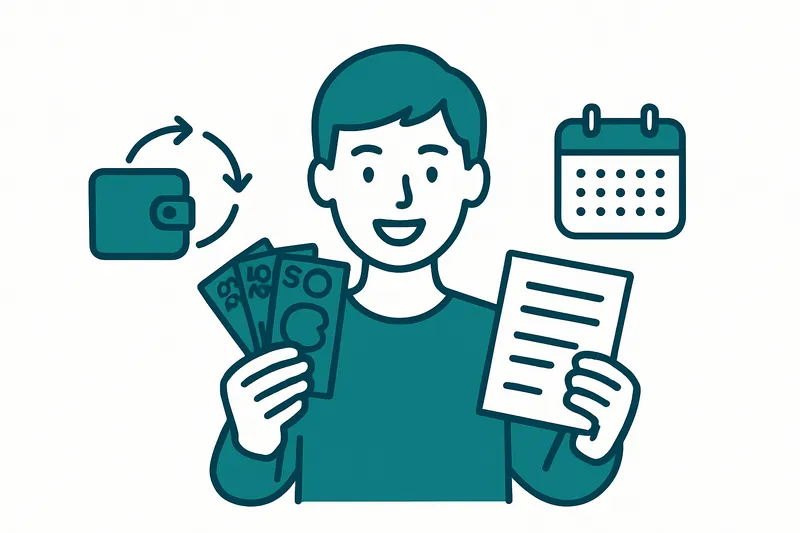
Once approved, funds are typically deposited directly into your nominated bank account. Repayments are then automatically deducted according to your agreed schedule, which might be weekly, fortnightly, or monthly, depending on your pay cycle and the lender's terms.
Types of Small Cash Loans Available
Payday Loans
Payday loans represent the most common form of small cash lending, offering amounts typically between $100 and $2,000. These ultra-short-term loans are designed to be repaid on your next payday, usually within 2-4 weeks. While convenient, they're subject to the strictest regulations due to their potential for creating debt cycles.
Personal Microloans
Personal microloans bridge the gap between payday loans and traditional personal loans, offering amounts from $2,000 to $5,000 with repayment terms extending up to two years. These loans often feature more favorable terms than payday loans while still maintaining relatively quick approval processes.
Emergency Cash Advances
Some lenders specialise in emergency cash advances specifically designed for urgent situations. These products often feature same-day approval and funding, though they may come with slightly higher fees to compensate for the expedited service.
No Interest Loan Schemes (NILS)
For eligible low-income earners, No Interest Loan Schemes provide small amounts up to $1,500 with no interest or fees. These community-based programs, supported by the Australian Government, help vulnerable Australians access credit for essential goods and services without the burden of additional costs.
Benefits of Small Cash Loans
The primary advantage of small cash loans lies in their accessibility and speed. When faced with an urgent financial need, waiting weeks for traditional loan approval isn't an option. Small cash loans can provide funds within hours of approval, allowing you to address immediate concerns without delay.
These loans also offer flexibility that traditional lending often lacks. Many lenders don't require collateral, making them accessible to renters and those without significant assets. The application process is typically less invasive than traditional loans, with many lenders using alternative credit assessment methods that look beyond just your credit score.
For those working to rebuild their credit history, responsibly managing a small cash loan can contribute positively to your credit file. Regular, on-time repayments demonstrate financial responsibility to future lenders, potentially improving your access to credit products with better terms down the track.
Potential Drawbacks to Consider
While small cash loans serve an important purpose, they come with considerations that borrowers must carefully evaluate. The convenience and speed of these loans often translate to higher costs compared to traditional lending options. Even with regulatory caps in place, the effective annual percentage rates can be significant, particularly for very short-term loans.
"Small amount credit contracts can be expensive. Before taking out a loan, consider whether you really need it and explore all your options, including no or low-interest alternatives." - ASIC's MoneySmart
There's also the risk of entering a debt cycle, where borrowers take out new loans to repay existing ones. This pattern can quickly escalate, leading to mounting fees and financial stress. Recent ASIC reviews have highlighted concerns about some lenders not adequately assessing borrowers' capacity to repay without substantial hardship, despite responsible lending obligations.
The impact on your financial wellbeing extends beyond just the loan costs. Having multiple small loans can affect your ability to obtain other forms of credit, such as home loans or car finance, as lenders view numerous small credit inquiries as a potential red flag.
Eligibility Requirements
To qualify for a small cash loan in Australia, you'll need to meet several standard criteria. Most lenders require you to be at least 18 years old and an Australian citizen or permanent resident. You'll need to demonstrate regular income, though this doesn't necessarily mean traditional employment - many lenders accept Centrelink benefits as income.
Lenders will also assess your current financial commitments to ensure you can afford repayments without experiencing hardship. This involves reviewing your bank statements to understand your spending patterns and existing debts. While having bad credit doesn't automatically disqualify you, it may limit your options or result in higher fees within regulatory limits.
Most importantly, you'll need to provide a valid Australian bank account for funds deposit and repayment collection, along with identification documents such as your driver's licence or passport.
The Application Process
Applying for a small cash loan has been streamlined for maximum efficiency. The process typically begins online, where you'll provide personal details, employment information, and the loan amount you're seeking. Modern lenders use automated systems to quickly assess applications, often providing preliminary decisions within minutes.
During the assessment phase, lenders will verify your identity electronically and may conduct a credit check. They'll also review your recent bank statements, which you can often provide through secure bank data sharing services, eliminating the need to manually upload documents.
If your application is approved, you'll receive a loan contract outlining all terms, fees, and repayment schedules. It's crucial to read this document carefully before accepting. Once you've digitally signed the contract, funds are usually transferred to your account within 60 minutes to 24 hours, depending on your bank and the time of application.
Responsible Borrowing Tips
Before applying for a small cash loan, critically assess whether it's truly necessary. Can the expense be delayed or addressed through other means? Have you explored all alternatives, including payment plans with service providers, assistance from family or friends, or community support services?
If you proceed with a loan, borrow only what you absolutely need. While it might be tempting to take the maximum amount offered, remember that every dollar borrowed incurs fees and must be repaid. Create a realistic budget that accounts for loan repayments alongside your regular expenses.
Always read the fine print and understand all fees involved, including what happens if you miss a payment. Responsible lenders will clearly outline all costs, but it's your responsibility to ensure you understand them. Don't hesitate to ask questions if anything is unclear.
Alternatives to Small Cash Loans
Before committing to a small cash loan, explore these potentially less costly alternatives:
Payment plans and hardship programs: Many utility providers, telecommunications companies, and even medical services offer payment arrangements for customers experiencing financial difficulty. These often come with no additional fees and can provide the breathing room you need.
Credit card balance transfers: If you have existing credit card debt, a balance transfer to a card with a lower interest rate or promotional period could reduce your overall costs significantly.
Salary advances: Some employers offer salary advance programs, allowing you to access earned wages before payday without fees or interest. Additionally, several apps now provide this service in partnership with employers.
Community assistance: Local councils, charities, and community organisations often provide emergency relief for essential expenses like food, utilities, and medical costs. While it might feel uncomfortable to seek help, these services exist specifically for times of financial hardship.
Regulatory Protections in Australia
Australian consumers benefit from robust protections when accessing small cash loans. The 2024 updates to credit regulations have strengthened oversight, with ASIC actively monitoring compliance and taking action against predatory lending practices.
Recent reforms have introduced stricter requirements for lenders to verify borrowers' financial situations and ensure loans are suitable. The introduction of comprehensive credit reporting also means lenders have better visibility of your overall credit commitments, theoretically leading to more responsible lending decisions.

Contributing Writer
Nathan Smith is a finance author and seasoned mortgage broker based in Sydney. With over a decade of experience in the financial sector, Nathan has helped countless Australians navigate their borrowing needs. Passionate about simplifying the loan process, his insights aim to empower consumers to make informed decisions.