Understanding Payday Loans in Australia
- 05 Mins read
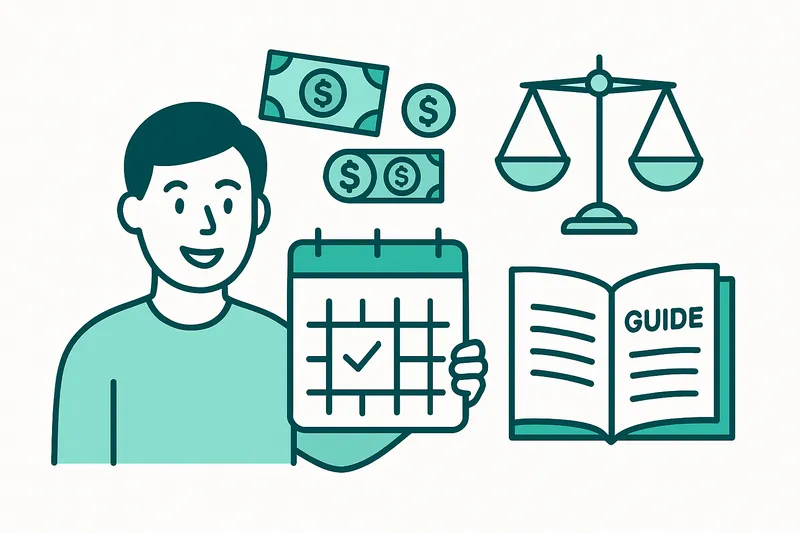
Payday loans in Australia are short-term, high-cost credit products designed to provide quick financial relief when unexpected expenses arise. These loans, formally known as Small Amount Credit Contracts (SACCs), offer amounts between $100 and $2,000 with repayment periods ranging from 16 days to 12 months. While they provide immediate access to cash, understanding their structure, costs, and alternatives is crucial for making informed financial decisions.
What Are Payday Loans?
Payday loans are small, short-term loans that borrowers typically repay from their next pay cheque or within a few weeks to months. In Australia, these loans are regulated under the National Consumer Credit Protection Act and must comply with strict lending guidelines set by the Australian Securities and Investments Commission (ASIC).
Unlike traditional bank loans, payday loans don't require extensive credit checks or collateral. Lenders assess your ability to repay based on your current income and expenses, making them accessible to borrowers with limited credit history or lower credit scores. The application process is streamlined, often completed online within minutes, with funds potentially available the same day or within 24 hours.
These loans serve as a financial bridge for people facing immediate cash shortfalls. Whether it's an unexpected medical bill, car repair, or urgent household expense, payday loans offer a solution when traditional lending options aren't viable or timely enough.
How Payday Loans Work in Australia
The payday loan process in Australia follows a structured framework designed to balance accessibility with consumer protection. When you apply for a payday loan, lenders must verify your identity, assess your financial situation, and ensure the loan is suitable for your circumstances.
The application typically requires:
- Proof of regular income (usually through bank statements)
- Valid Australian identification
- Evidence of Australian residency
- Active bank account details
- Contact information
Once approved, the loan agreement outlines all fees, repayment terms, and your obligations. Australian law prohibits lenders from charging interest on payday loans under $2,000. Instead, they can charge an establishment fee of up to 20% of the loan amount and a monthly account-keeping fee of up to 4%. For instance, borrowing $1,000 would incur a maximum $200 establishment fee plus $40 monthly fees.
Repayments are usually structured as direct debits from your bank account, aligned with your pay cycle. Some lenders offer flexible repayment schedules, allowing weekly, fortnightly, or monthly payments depending on your income frequency.
Benefits of Payday Loans
Despite their controversial reputation, payday loans offer several advantages when used appropriately:
Speed and Convenience: The primary benefit is rapid access to funds. While bank loans might take weeks to process, payday loans can provide money within hours, crucial during genuine emergencies.
Accessibility: These loans cater to borrowers who might not qualify for traditional credit products. People with imperfect credit histories, casual workers, or those new to credit can often access payday loans when banks turn them away.
Transparency: Australian regulations ensure all fees are disclosed upfront. There are no hidden charges, and the total cost is capped by law, preventing excessive debt accumulation.
No Collateral Required: Unlike secured loans, payday loans don't put your assets at risk. You're not required to provide your car, house, or valuables as security.
Flexible Use: The funds can be used for any purpose without restriction, giving borrowers complete control over addressing their financial needs.
Risks and Considerations
While payday loans solve immediate problems, they carry significant risks that borrowers must carefully consider:
The Debt Cycle Trap
The most severe risk is entering a debt cycle where borrowers take new loans to repay existing ones. With total costs potentially reaching 200% of the original loan amount over time, what starts as emergency borrowing can become chronic debt. ASIC's recent reports highlight concerning trends of borrowers transitioning from small to medium-amount loans to circumvent protective regulations.
High Cost Relative to Amount Borrowed
Although interest is prohibited, the permitted fees make payday loans expensive. A $500 loan repaid over three months costs approximately $620 – a 24% increase. Compared to credit cards or personal loans, this represents a significantly higher cost of borrowing.
Impact on Financial Health
Regular payday loan use can indicate underlying financial stress. Rather than addressing root causes, these loans often mask deeper budgeting or income issues. The high repayment amounts can also strain already tight budgets, potentially causing missed payments on other obligations.
Limited Consumer Protections
While regulations exist, enforcement varies. ASIC's 2025 report found some lenders potentially breaching consumer protection laws by inadequately assessing borrowers' requirements and objectives before issuing loans.
Alternatives to Payday Loans
Before committing to a payday loan, explore these potentially cheaper alternatives:
No Interest Loans Scheme (NILS)
Community organisations offer loans up to $1,500 with no interest or fees for essential goods and services. While eligibility criteria apply, these loans are significantly cheaper than payday options.
Credit Union Small Loans
Many credit unions provide small amount loans with lower fees than commercial payday lenders. These member-owned institutions often offer more flexible terms and financial counselling.
Centrelink Advances
Eligible Centrelink recipients can request advance payments of their benefits, providing interest-free access to future payments during emergencies.
Payment Plans
Many utility companies, medical providers, and service providers offer payment arrangements for overdue accounts. These plans typically don't incur additional fees and can prevent the need for borrowing.
Credit Cards
For those with existing credit cards, cash advances or purchases might be cheaper than payday loans, especially if repaid quickly. However, this requires disciplined repayment to avoid accumulating interest.
Family and Friends
While potentially uncomfortable, borrowing from trusted individuals often involves no or minimal costs and more flexible repayment terms.
Regulatory Framework and Consumer Protection
The Australian government has implemented comprehensive regulations to protect payday loan borrowers:
Fee Caps: Establishment fees cannot exceed 20% of the loan amount, and monthly fees are capped at 4%. The total amount repayable is limited to twice the loan amount for defaulted loans.
Responsible Lending Obligations: Lenders must assess whether loans are suitable and won't cause financial hardship. They cannot provide loans if repayments exceed 20% of the borrower's gross income.
Disclosure Requirements: All fees, charges, and terms must be clearly disclosed before signing. Comparison rates must be displayed prominently.
Cooling-Off Period: Borrowers have a two-day cooling-off period during which they can cancel the loan without penalty.
Dispute Resolution: Lenders must belong to external dispute resolution schemes, providing free, independent complaint handling for borrowers.
Recent ASIC actions demonstrate increased regulatory scrutiny. The 2025 report "Falling Short" identified concerning practices, including potential breaches of consumer protection laws and inappropriate product switching to avoid regulatory caps.
"Lenders who have changed their product offerings following the FSR Act reforms need to consider their regulatory obligations, in particular the obligation to consider a consumer's requirements and objectives before entering into a credit contract." - ASIC Report 805, March 2025
Making an Informed Decision
Before taking a payday loan, conduct this essential assessment:
Evaluate the Emergency: Is this expense truly urgent? Can it wait until your next pay or be addressed through other means?
Calculate Total Cost: Use online calculators to understand the full repayment amount. Include all fees and consider how repayments will affect your budget.
Explore All Options: Have you investigated every alternative? Sometimes a difficult conversation about payment plans is preferable to expensive borrowing.
Assess Repayment Capacity: Honestly evaluate whether you can afford repayments without borrowing again. Consider upcoming expenses and potential income changes.
Read Everything: Understand all terms, conditions, fees, and your rights. Don't sign anything you don't fully comprehend.
Plan Your Exit: Have a clear strategy for repaying the loan without re-borrowing. This might include temporary budget cuts or additional income sources.
When Payday Loans Make Sense
Despite their risks, payday loans can be appropriate in specific circumstances:
- One-off emergencies where the cost of not having funds exceeds loan fees (like keeping essential employment)
- When you have concrete plans to increase income or reduce expenses before repayment
- If you've exhausted all other options and face serious consequences without immediate funds
- When the loan prevents costlier outcomes like rental eviction or utility disconnection
The key is ensuring the loan solves a problem rather than creating new ones.
Managing Payday Loan Repayments
If you've taken a payday loan, successful repayment requires discipline and planning:
Priority Payment: Treat loan repayments as your highest priority after essential living costs. Missing payments incurs additional fees and potential legal action.
Communication: If struggling with repayments, contact your lender immediately. Many offer

Contributing Writer
Nathan Smith is a finance author and seasoned mortgage broker based in Sydney. With over a decade of experience in the financial sector, Nathan has helped countless Australians navigate their borrowing needs. Passionate about simplifying the loan process, his insights aim to empower consumers to make informed decisions.