Understanding Loans Today: Your Guide to Modern Borrowing
- 05 Mins read
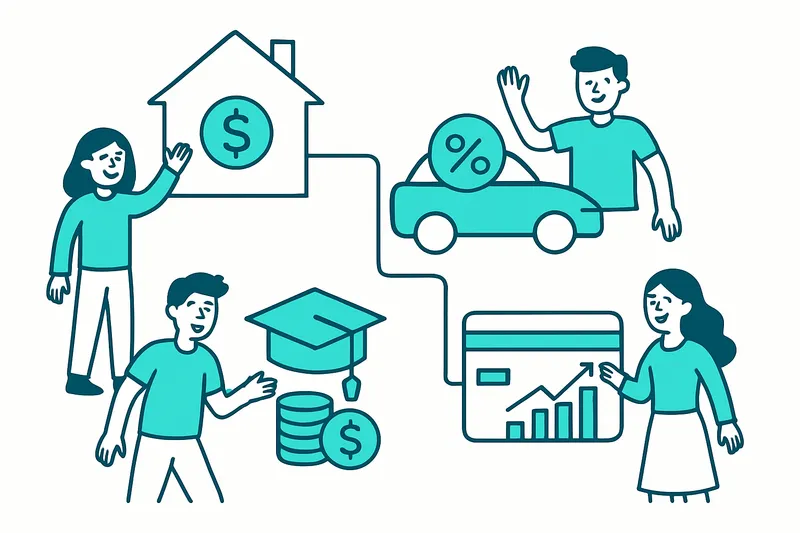
The financial landscape has transformed dramatically, and understanding loans today requires navigating both traditional lending practices and cutting-edge digital innovations. Whether you're considering a personal loan for home improvements, business funding for expansion, or exploring refinancing options, the modern borrowing environment offers unprecedented opportunities alongside new complexities that demand informed decision-making.
The Current State of Lending in Australia
As we navigate through 2025, the lending market reflects significant shifts in both economic conditions and consumer expectations. The Reserve Bank of Australia recently cut interest rates to 4.10% in February 2025, marking the first reduction after holding steady at 4.35% throughout 2024. This change signals a more favourable borrowing environment, with major lenders like ANZ passing on these reductions to variable rate home loan customers.
The impact extends beyond just lower rates. Digital lending now accounts for 63% of personal loan originations in developed markets, fundamentally changing how Australians access credit. This shift towards digital platforms means faster approvals, more transparent processes, and increased accessibility for borrowers who might have struggled with traditional lending channels.
Types of Loans Available Today
Personal Loans
Personal loans remain the backbone of consumer lending, typically ranging from $500 to $100,000. These unsecured loans offer flexibility for various purposes including debt consolidation, medical expenses, or major purchases. Interest rates vary significantly based on credit scores, with excellent credit borrowers accessing rates as low as 5.99% p.a., while those with challenged credit might see rates up to 24.99% p.a.
The application process has evolved dramatically, with many lenders now offering same-day approval and funding. Digital verification systems can assess income, employment, and creditworthiness within minutes, eliminating the traditional weeks-long waiting period.
Secured Loans
Secured loans continue offering lower interest rates by using collateral such as vehicles, property, or savings accounts. Car loans typically range from 4.5% to 12% p.a., depending on whether the vehicle is new or used. The security provided allows lenders to offer larger amounts and longer repayment terms, making them ideal for significant purchases.
Home equity loans have gained popularity as property values have increased, allowing homeowners to access funds at competitive rates for renovations, investments, or debt consolidation. These typically offer rates 1-2% above standard home loan rates.
Business Loans
Small business lending has undergone revolutionary changes, with fintech platforms now originating over half of small-business loans in developed regions. Options include:
- Term loans: Fixed amounts repaid over set periods, ideal for equipment purchases or expansion
- Lines of credit: Flexible access to funds as needed, perfect for managing cash flow
- Invoice financing: Immediate cash against outstanding invoices
- Merchant cash advances: Quick funding based on future sales projections
The Digital Revolution in Lending
Instant Approval Technologies
Modern lending platforms leverage artificial intelligence to provide credit decisions within seconds. These systems analyse thousands of data points including transaction history, spending patterns, and alternative credit indicators to assess creditworthiness more accurately than traditional methods.
"The integration of AI in loan management isn't just about speed—it's about inclusivity. We're now able to serve markets that were previously considered unbankable by traditional standards," notes a recent industry analysis from Highen Fintech.
Embedded Finance
Buy Now, Pay Later (BNPL) services have exploded in popularity, integrating seamlessly into online shopping experiences. These micro-loans, typically interest-free if paid on time, have attracted millions of users who appreciate the transparency and simplicity compared to credit cards.
Open Banking Impact
Open banking regulations allow consumers to share their financial data securely with lenders, enabling more accurate assessments and personalised offers. This transparency benefits borrowers with limited credit history but strong financial habits, as lenders can see actual spending and saving patterns rather than relying solely on credit scores.
Interest Rates and Market Dynamics
Current market conditions reflect a complex interplay of factors. While the RBA has begun cutting rates, individual lender rates vary significantly based on:
- Risk assessment: Your credit score, income stability, and debt-to-income ratio
- Loan purpose: Home loans typically offer lower rates than personal loans
- Loan term: Shorter terms often attract lower rates but higher monthly payments
- Fixed vs variable: Fixed rates provide certainty but may miss out on rate cuts
Economic forecasts suggest the cash rate may trend towards 4.10% through 2026, potentially creating further opportunities for borrowers. However, lenders are also tightening assessment criteria, particularly around living expenses and genuine savings requirements.
How to Secure the Best Loan Terms
Improve Your Credit Profile
Start by obtaining your credit report from Equifax, Experian, or illion. Address any errors immediately and focus on:
- Paying all bills on time
- Reducing credit card balances below 30% of limits
- Avoiding multiple credit applications within short periods
- Building a history of stable employment and residence
Compare Comprehensively
Don't settle for the first offer. Use comparison websites to evaluate multiple lenders, but remember to look beyond interest rates. Consider:
- Establishment and ongoing fees
- Early repayment penalties
- Redraw facilities
- Flexibility in payment schedules
Prepare Documentation Thoroughly
Streamline your application by preparing:
- Recent payslips or tax returns
- Bank statements showing savings patterns
- Identification documents
- Proof of assets and liabilities
- Employment verification
Timing Your Application
Strategic timing can significantly impact your loan terms. Consider applying:
- After receiving a pay rise or bonus
- Once you've reduced other debts
- When market rates are declining
- Before making major purchases that might affect your creditworthiness
Emerging Trends Shaping Tomorrow's Loans
Green Financing
Environmental considerations increasingly influence lending decisions. Green loans offer discounted rates for eco-friendly purposes like solar panel installation, electric vehicle purchases, or energy-efficient home improvements. These typically offer rates 0.5-1% below standard loans for qualifying projects.
Hyper-Personalisation
AI-driven platforms now create unique loan products tailored to individual circumstances. Rather than fitting borrowers into predetermined categories, these systems adjust terms, rates, and features based on specific financial profiles and goals.
Cross-Border Lending
Digital platforms are breaking down geographical barriers, allowing Australian borrowers to access international lenders and vice versa. Multi-currency capabilities and unified KYC norms enable seamless global transactions, particularly beneficial for freelancers and digital nomads.
Common Pitfalls to Avoid
Understanding what not to do is equally important when navigating today's loan market:
- Overlooking the total cost: Focus on the comparison rate, not just the advertised rate
- Borrowing the maximum amount: Only borrow what you need and can comfortably repay
- Ignoring fine print: Understand all fees, penalties, and conditions
- Neglecting insurance: Consider loan protection insurance for significant borrowings
- Emotional decisions: Avoid borrowing under pressure or for non-essential purchases
Making Informed Borrowing Decisions
The modern lending landscape offers unprecedented choice and convenience, but success requires careful planning and informed decision-making. Start by clearly defining your borrowing needs and realistic repayment capacity. Use digital tools to compare options, but don't hesitate to seek professional advice for complex situations.
Consider your loan as part of your broader financial strategy. How does it align with your short-term needs and long-term goals? Will it improve your financial position or create unnecessary stress? These fundamental questions remain crucial regardless of technological advances in the lending process.
Regulatory Protections and Your Rights
Australian borrowers benefit from robust consumer protections through ASIC regulations. Lenders must comply with responsible lending obligations, ensuring loans are suitable and affordable. Key protections include:
- Cooling-off periods: Time to reconsider after signing contracts
- Hardship provisions: Options if you struggle with repayments
- Dispute resolution: Access to free, independent complaint services
- Transparent disclosure: Clear information about all costs and terms
Stay informed about your rights and don't hesitate to utilise these protections when needed. Resources like ASIC's MoneySmart website provide valuable guidance for navigating lending relationships.
Conclusion
Today's loan market represents a fascinating convergence of traditional financial principles and cutting-edge technology. While instant approvals and digital platforms have revolutionised access to credit, the fundamentals of responsible borrowing remain unchanged. Success in this environment requires balancing the convenience of modern lending with careful consideration of your financial capacity and goals.
Whether you're a first-time borrower or refinancing existing debt, the key lies in thorough research, honest self-assessment, and strategic planning. The tools and opportunities available today can significantly improve your financial position when used wisely, but they require the same diligence and responsibility that smart borrowing has always demanded.
As we move forward, the lending landscape will continue evolving with new technologies and changing economic conditions. Stay informed, remain cautious of deals that seem too good to be true, and always prioritise loans that genuinely contribute to your financial wellbeing rather than those that merely provide temporary relief or fund unnecessary consumption.

Contributing Writer
Nathan Smith is a finance author and seasoned mortgage broker based in Sydney. With over a decade of experience in the financial sector, Nathan has helped countless Australians navigate their borrowing needs. Passionate about simplifying the loan process, his insights aim to empower consumers to make informed decisions.