Understanding 24 Hour Loans in Australia
- 07 Mins read
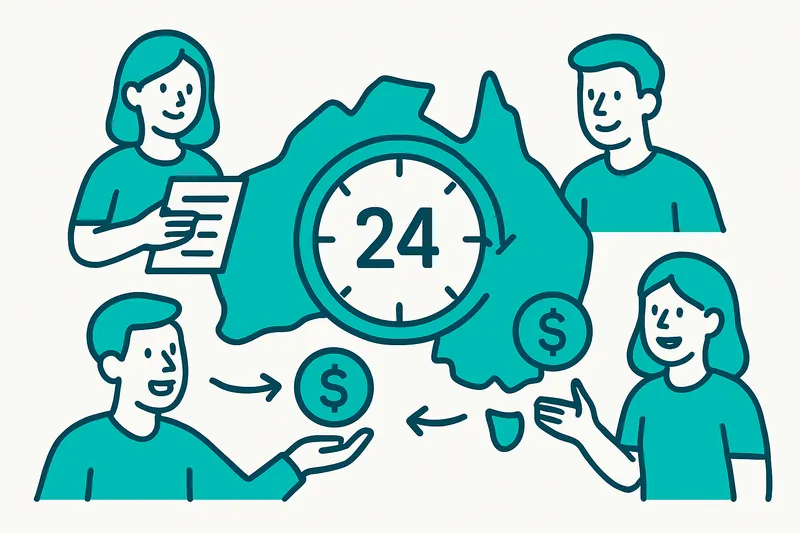
When financial emergencies strike, waiting days for loan approval isn't always an option. That's where 24 hour loans come into play—offering Australians quick access to funds when they need them most. Whether it's an unexpected medical bill, urgent car repair, or overdue utility payment, these rapid financing solutions promise to bridge the gap between your immediate need and your next payday.
What Are 24 Hour Loans?
24 hour loans are short-term lending products designed to provide borrowers with quick access to funds, typically within one business day of application approval. In Australia, these loans usually range from $500 to $5,000 and are regulated under the National Consumer Credit Protection Act to ensure fair lending practices and consumer protection.
These loans go by various names in the Australian market—same-day loans, instant cash loans, or emergency loans—but they all share the common feature of expedited processing. Unlike traditional bank loans that might take weeks to process, 24 hour loans leverage streamlined digital applications and automated assessment systems to deliver decisions quickly.
The "24 hour" promise typically refers to the timeframe from application approval to funds hitting your bank account, though actual timing can vary depending on when you apply and your bank's processing times. Applications submitted on weekends or public holidays may experience slight delays, with funds arriving the next business day.
How Do 24 Hour Loans Work in Australia?
The process of obtaining a 24 hour loan in Australia has been refined to maximise efficiency whilst maintaining responsible lending standards. Here's how it typically unfolds:
Application Stage: Most lenders operate entirely online, allowing you to apply from anywhere, anytime. You'll need to provide personal details, employment information, and evidence of income. The application usually takes 10-15 minutes to complete.
Assessment Phase: Once submitted, your application enters automated assessment. Lenders use sophisticated algorithms to evaluate your creditworthiness, examining factors like your income stability, existing debts, and credit history. This automated process is what enables the quick turnaround time.
Verification Requirements: Australian lenders must verify your identity and financial situation under ASIC regulations. You'll typically need to provide:
- Driver's licence or passport for identity verification
- Recent payslips or Centrelink statements
- Bank statements showing your transaction history
- MyGov access for instant verification (some lenders)
Approval and Funding: If approved, you'll receive a loan contract outlining terms, fees, and repayment schedule. Once you electronically sign and return the contract, funds are transferred to your nominated bank account. With real-time payment systems, this can happen within minutes, though standard transfers may take a few hours.
Types of 24 Hour Loans Available
The Australian market offers several types of rapid-approval loans, each suited to different financial situations:
Small Amount Credit Contracts (SACCs): These are loans up to $2,000 with terms between 16 days and 12 months. They're the most common form of 24 hour loans but come with strict regulations on fees and charges. Lenders can charge an establishment fee of up to 20% of the loan amount and monthly fees of up to 4%.
Medium Amount Credit Contracts (MACCs): Ranging from $2,001 to $5,000 with terms up to 2 years, these loans offer more flexibility than SACCs. The fee structure differs too—lenders can charge an establishment fee of up to $400 plus annual interest rates capped at 48%.
Personal Loans: Some online lenders offer larger personal loans with 24 hour approval, though funding might take slightly longer. These loans, typically above $5,000, fall under different regulations and may offer more competitive interest rates for borrowers with good credit.
Cash Advances: These ultra-short-term loans are designed to be repaid on your next payday. While convenient, they often come with higher fees relative to the loan amount and should be considered carefully.
Eligibility Requirements
To qualify for a 24 hour loan in Australia, you'll need to meet certain criteria. While requirements vary between lenders, common eligibility standards include:
"The key to fast approval isn't just meeting basic criteria—it's having your documentation ready and ensuring all information is accurate and verifiable," notes financial counsellor Sarah Chen from MoneySmart.
Age and Residency: You must be at least 18 years old and either an Australian citizen or permanent resident. Some lenders also accept temporary residents with appropriate visa status.
Income Requirements: Most lenders require a minimum regular income, typically around $500-$1,000 per fortnight. This can come from employment, self-employment, or government benefits. Some lenders accept Centrelink payments as primary income, though this may affect the loan amount offered.
Banking History: You'll need an active Australian bank account in your name where the funds can be deposited. Lenders will review your banking history to assess your ability to manage repayments.
Credit Assessment: While many 24 hour loan providers accept applications from people with imperfect credit, they still conduct credit checks. Active defaults, recent bankruptcies, or current Part IX debt agreements may affect your eligibility.
Benefits and Advantages
The appeal of 24 hour loans extends beyond just speed. These financial products offer several advantages for borrowers facing urgent cash needs:
Immediate Financial Relief: The primary benefit is obvious—quick access to funds when you need them most. This speed can prevent late payment fees, reconnection charges, or other financial penalties that might exceed the loan's cost.
Convenient Application Process: Apply from your phone or computer without visiting a branch. The entire process, from application to funding, can be completed online, making it accessible for people in remote areas or those with mobility constraints.
Flexible Qualification Criteria: Unlike traditional bank loans, 24 hour loans often have more lenient approval criteria. This makes them accessible to freelancers, gig workers, and others with non-traditional income sources.
Transparent Fee Structures: ASIC regulations ensure all fees and charges are clearly disclosed upfront. There are no hidden costs, and the total repayment amount is known before you commit.
Building Credit History: When repaid on time, these loans can help improve your credit score, potentially opening doors to better financial products in the future.
Risks and Considerations
While 24 hour loans solve immediate problems, they come with risks that borrowers must carefully consider:
Higher Costs: The convenience of quick approval comes at a price. Interest rates and fees on 24 hour loans are typically higher than traditional personal loans or credit cards. A $1,000 SACC loan might cost $1,240 to repay over six months.
Debt Cycle Risk: The ease of obtaining these loans can lead to dependency. Some borrowers find themselves taking new loans to repay old ones, creating a dangerous debt spiral. ASIC reports show that 15% of SACC borrowers take out multiple loans within a 90-day period.
Impact on Financial Goals: Regular use of high-cost credit can derail long-term financial plans. The money spent on fees and interest could otherwise go toward savings, investments, or paying down other debts.
Limited Borrowing Amounts: While sufficient for emergencies, 24 hour loans won't solve larger financial problems. The capped amounts mean they're unsuitable for major expenses like home deposits or significant medical procedures.
Aggressive Collection Practices: Some lenders employ persistent collection methods for overdue accounts. This can include frequent contact attempts and, ultimately, legal action for debt recovery.
Alternative Options to Consider
Before committing to a 24 hour loan, explore these potentially cheaper alternatives:
Payment Plans: Many service providers offer payment arrangements for overdue bills. Utility companies, telecommunications providers, and even the ATO often provide interest-free payment plans.
Credit Cards: If you already have a credit card with available balance, this might be cheaper than a 24 hour loan, especially if you can repay during the interest-free period.
Overdraft Facilities: Bank overdrafts, while not free, often charge lower fees than payday loans for short-term borrowing needs.
Community Support: Various charities and community organisations offer no-interest loans (NILS) for essential items and services. While not as fast as 24 hour loans, they're worth investigating for non-urgent needs.
Employer Advances: Some employers offer salary advances or emergency loans to employees. These typically come with minimal or no fees.
Buy Now, Pay Later Services: For retail purchases, BNPL services like Afterpay or Zip might offer interest-free instalment options, though missed payments incur fees.
Regulatory Framework and Consumer Protection
The Australian government, through ASIC, has implemented robust regulations to protect consumers in the small loan market:
Responsible Lending Obligations: Lenders must assess whether a loan is suitable and affordable for each borrower. They're required to verify income and expenses, ensuring repayments won't cause financial hardship.
Fee Caps: Strict limits apply to what lenders can charge. For SACCs, the maximum is a 20% establishment fee plus 4% monthly fee. Lenders cannot charge fees for early repayment.
Lending Restrictions: Regulations prohibit lending to someone who's had two or more SACCs in the past 90 days. Repayments cannot exceed 20% of the borrower's gross income.
Hardship Provisions: Borrowers experiencing financial difficulty can request hardship variations, potentially freezing interest and fees while working out a manageable repayment plan.
Dispute Resolution: All licensed lenders must belong to AFCA (Australian Financial Complaints Authority), providing free, independent dispute resolution for consumers.
Making an Informed Decision
Deciding whether a 24 hour loan suits your situation requires careful consideration of several factors:
Assess the Urgency: Is this a genuine emergency that can't wait? Sometimes, a day or two's delay might open up cheaper borrowing options.
Calculate Total Cost: Don't just focus on solving today's problem. Use the lender's calculator to understand the total repayment amount and ensure you can afford it.
Read the Contract: Every loan contract contains important details about fees, repayment schedules, and what happens if you miss payments. Never sign without reading and understanding these terms.
Plan Your Repayment: Before borrowing, map out how you'll repay the loan. Consider upcoming expenses and ensure loan repayments won't leave you short for essentials.
Consider Your Credit: While 24 hour loans can help build credit when repaid on time, defaults will damage your credit score for years. This could affect your ability to secure housing, utilities, or future credit.
Tips for Responsible Borrowing
If you decide a 24 hour loan is your best option, follow these guidelines to minimise risks:
Borrow Only What You Need: Resist the temptation to borrow the maximum amount offered. Smaller loans are easier to repay and incur lower fees.
Compare Multiple Lenders: Despite the urgency, spend time comparing offers. Even small differences in fees can add up over the loan term.
Set Up Automatic Repayments: Reduce the risk of missed payments by scheduling automatic deductions aligned with your pay cycle.
Keep Documentation: Save all loan documents, payment confirmations, and correspondence. These records are valuable if disputes arise.
Communicate Early: If you're struggling with repayments, contact your lender immediately. Early intervention often leads to better outcomes than waiting until you're in default.
Conclusion
24 hour loans serve a legitimate purpose in Australia's financial landscape, providing quick relief when unexpected expenses threaten financial stability. Their speed and accessibility make them valuable tools for managing genuine emergencies. However, their higher costs and potential for creating debt cycles mean they should be approached with caution and used sparingly.
Success with these loans comes from understanding both their benefits and risks, carefully assessing your situation, and having a clear repayment strategy. Remember that while 24 hour loans solve immediate problems, they shouldn't become a regular financial strategy. Building an emergency fund, improving your credit score, and exploring lower-cost credit options will serve you better in the long term.
Before applying for any 24 hour loan, take time to explore alternatives, understand all fees involved, and ensure you're borrowing from a licensed lender operating within ASIC guidelines. When used responsibly and repaid promptly, these loans can be a financial bridge during challenging times—just ensure they don't become a permanent fixture in your financial life.

Contributing Writer
Nathan Smith is a finance author and seasoned mortgage broker based in Sydney. With over a decade of experience in the financial sector, Nathan has helped countless Australians navigate their borrowing needs. Passionate about simplifying the loan process, his insights aim to empower consumers to make informed decisions.