Quick and Easy Small Loans in Australia
- 06 Mins read
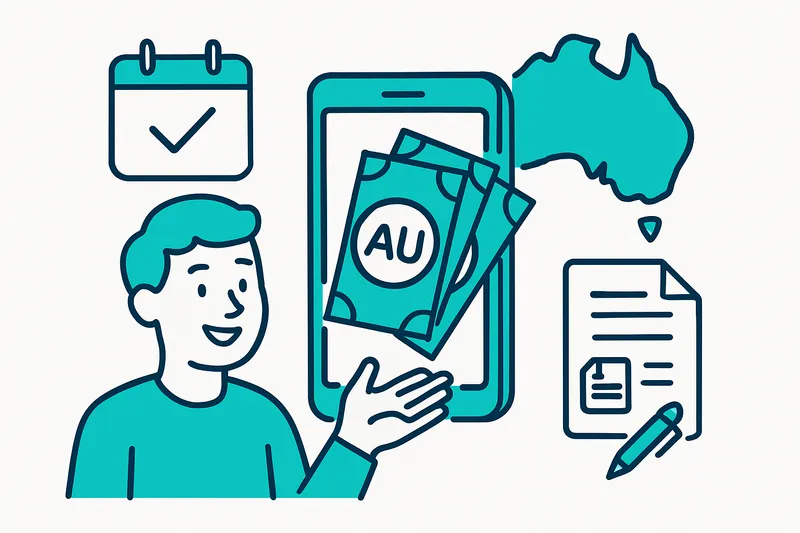
When unexpected expenses arise or opportunities present themselves, accessing funds quickly can make all the difference. Small loans in Australia offer a practical solution for those needing immediate financial assistance without the lengthy processes associated with traditional lending. Whether you're facing an emergency repair, medical expense, or simply need to bridge a gap until payday, understanding how to navigate the small loan landscape can help you secure funds efficiently and responsibly.
What Are Small Loans?
Small loans in Australia typically range from $500 to $5,000, designed to provide quick financial relief for short-term needs. These loans feature simplified application processes, rapid approval times often within 24 hours, and flexible repayment terms ranging from a few weeks to 24 months. Unlike traditional bank loans, small loans prioritise accessibility and speed over extensive documentation requirements.
The Australian Securities and Investments Commission (ASIC) regulates small amount credit contracts (SACCs), ensuring lenders follow responsible lending practices. This regulatory framework protects borrowers from predatory lending while maintaining the accessibility that makes small loans valuable for urgent financial needs.
Why Choose Quick Small Loans?
Immediate Financial Relief
Life doesn't wait for traditional loan approvals. When your car breaks down on Monday morning or an unexpected medical bill arrives, waiting weeks for bank approval isn't an option. Quick small loans bridge this gap, providing funds often within the same day of application.
Simplified Application Process
Traditional lending involves mountains of paperwork, multiple appointments, and extensive documentation. Small loan applications typically require:
- Basic personal identification
- Proof of regular income
- Recent bank statements
- Active Australian bank account
This streamlined approach means you can complete applications online in minutes rather than hours, accessing funds when you need them most.
Flexible Eligibility Criteria
Banks often have rigid lending criteria that exclude many borrowers. Small loan providers consider a broader range of circumstances, including:
- Part-time or casual employment
- Self-employment income
- Government benefits (meeting minimum requirements)
- Less-than-perfect credit history
How to Apply for Small Loans in Australia
Step 1: Assess Your Financial Situation
Before applying, calculate exactly how much you need to borrow. Borrowing more than necessary increases your repayment obligations, while underestimating might leave you short. Consider:
- The specific expense you're covering
- Your ability to repay within the loan term
- Any additional fees or charges
- Alternative funding sources available
Step 2: Research Lenders
Not all small loan providers offer the same terms. Compare:
- Interest rates and establishment fees
- Repayment flexibility
- Customer reviews and ratings
- ASIC licensing status
- Additional features like early repayment options
MoneySmart, ASIC's consumer website, provides valuable resources for comparing lenders and understanding your rights as a borrower.
Step 3: Gather Required Documentation
Speed up your application by preparing documents in advance:
- Driver's licence or passport
- Recent payslips or income statements
- 90 days of bank statements
- MyGov account details for Centrelink recipients
Having digital copies ready ensures smooth upload during the application process.
Step 4: Complete the Online Application
Most reputable lenders offer intuitive online applications. You'll typically:
- Enter personal details and contact information
- Specify the loan amount and preferred repayment term
- Provide employment and income information
- Upload supporting documentation
- Review and accept loan terms if approved
Step 5: Receive Your Funds
Upon approval, funds are typically transferred to your nominated bank account. Timing depends on your bank's processing speeds, but many borrowers receive funds within hours of approval.
Types of Quick Small Loans Available
Payday Loans
Short-term loans designed to cover expenses until your next payday. While convenient, these often carry higher costs and should be carefully considered against alternatives.
Personal Loans
More structured loans with set repayment schedules over 3-24 months. These offer predictable repayments and often lower rates than payday alternatives.
Cash Advance Loans
Quick access to funds based on your regular income patterns. These loans analyse your banking history to determine borrowing capacity.
Emergency Loans
Specifically designed for urgent, unexpected expenses. These prioritise speed of approval and funding over extensive assessment processes.
Understanding Costs and Fees
Establishment Fees
Most small loans include a one-time establishment fee, typically 20% of the loan amount for loans under $2,000. This covers the lender's costs in setting up your loan.
Monthly Fees
Ongoing monthly account-keeping fees usually apply, capped at 4% per month for small amount credit contracts under ASIC regulations.
Default Fees
Missing repayments triggers additional charges. However, regulations cap these fees to protect borrowers from spiralling debt.
Early Repayment
Many lenders allow early repayment without penalty, potentially saving you money on monthly fees. Always confirm this option before signing your loan agreement.
Eligibility Requirements
Basic Criteria
Most Australian small loan providers require:
- Australian citizenship or permanent residency
- Minimum age of 18 years
- Regular income source (employment, self-employment, or qualifying benefits)
- Active Australian bank account
- Valid email address and mobile phone number
Income Requirements
Lenders typically require minimum regular income, though amounts vary. Some accept:
- Full-time employment income
- Part-time or casual work (minimum hours)
- Self-employment earnings
- Centrelink benefits (conditions apply)
- Combination income sources
Credit History Considerations
While perfect credit isn't required, lenders will assess your ability to repay. They consider:
- Current financial commitments
- Recent repayment history
- Outstanding defaults or judgments
- Overall debt-to-income ratio
Responsible Borrowing Practices
Borrow Only What You Need
"The best loan is the smallest loan that solves your problem. Every dollar borrowed is a dollar plus interest to repay." - Financial Counselling Australia
Resist the temptation to borrow extra "just in case." Calculate your exact needs and stick to that amount.
Understand Your Repayment Capacity
Before accepting any loan, ensure repayments fit comfortably within your budget. Consider:
- Weekly or fortnightly income after tax
- Essential expenses (rent, utilities, food)
- Existing debt obligations
- Emergency fund maintenance
Read the Fine Print
Every loan agreement contains important terms and conditions. Pay particular attention to:
- Total amount repayable
- Payment schedules and methods
- Consequences of missed payments
- Hardship provisions
- Cooling-off periods
Plan Your Exit Strategy
Know how you'll repay the loan before you borrow. Whether through regular income, tax returns, or other sources, having a clear repayment plan prevents financial stress.
Alternatives to Consider
Credit Cards
For those with existing credit cards, cash advances or balance transfers might provide cheaper alternatives to small loans.
Payment Plans
Many service providers offer interest-free payment plans for large expenses. Medical providers, utilities, and retailers often have programs available.
Community Resources
Non-profit organisations provide emergency relief for those experiencing financial hardship. Services include:
- Food banks and vouchers
- Utility bill assistance
- No-interest loan schemes (NILS)
- Financial counselling services
Family and Friends
While potentially uncomfortable, borrowing from loved ones eliminates interest and fees. Clear written agreements protect relationships and set expectations.
Common Mistakes to Avoid
Borrowing to Repay Debt
Using new loans to pay existing debts creates dangerous cycles. Instead, contact existing creditors to discuss hardship arrangements.
Ignoring Total Costs
Focus on total repayment amounts, not just monthly payments. A longer loan term might seem affordable but costs significantly more overall.
Multiple Simultaneous Applications
Each credit application appears on your credit file. Multiple applications suggest desperation to lenders and may harm your credit score.
Skipping Comparison Shopping
The first lender you find might not offer the best terms. Invest time comparing options to find the most suitable and affordable loan.
The Future of Small Loans in Australia
The small loan industry continues evolving with technology and regulation. Recent developments include:
- Open banking initiatives improving assessment accuracy
- Real-time payment systems enabling instant funding
- Enhanced consumer protections through regulatory updates
- AI-driven affordability assessments
- Increased competition driving better consumer outcomes
These changes benefit borrowers through faster processing, fairer assessments, and improved transparency.
Making Your Decision
Small loans provide valuable financial tools when used responsibly. They offer quick solutions to temporary problems but aren't suitable for long-term financial management. Before proceeding:
- Exhaust free or low-cost alternatives
- Calculate true borrowing costs
- Ensure sustainable repayment capacity
- Choose licensed, reputable lenders
- Understand all terms and conditions
Remember, financial wellbeing involves more than securing quick cash. Building emergency funds, budgeting effectively, and seeking financial education create lasting stability beyond any immediate loan.
Conclusion
Quick and easy small loans in Australia serve important purposes in our modern financial landscape. When unexpected expenses threaten your stability or opportunities require immediate action, these loans provide practical solutions. However, their convenience shouldn't overshadow the importance of responsible borrowing.
By understanding the application process, comparing providers, and borrowing within your means, you can leverage small loans effectively without compromising your financial future. Whether facing emergency repairs, medical expenses, or temporary cash flow issues, the key lies in making informed decisions based on your unique circumstances.
The Australian small loan market offers numerous options for those needing quick financial assistance. Armed with the knowledge from this guide, you're better equipped to navigate these options, secure appropriate funding, and maintain control of your financial journey. Remember, the goal isn't just to access funds quickly—it's to solve your immediate problem while preserving your long-term financial health.

Contributing Writer
Nathan Smith is a finance author and seasoned mortgage broker based in Sydney. With over a decade of experience in the financial sector, Nathan has helped countless Australians navigate their borrowing needs. Passionate about simplifying the loan process, his insights aim to empower consumers to make informed decisions.