How to Secure Money Loans Online Safely
- 07 Mins read
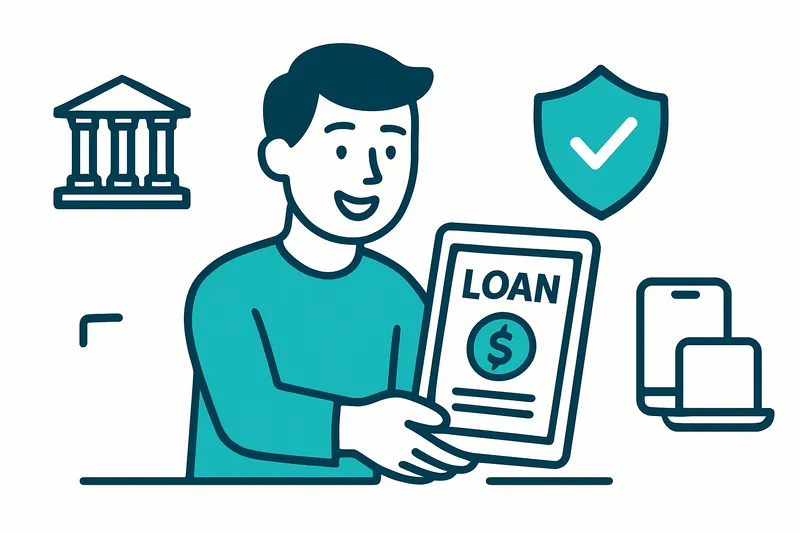
Securing money loans online requires careful research, verification, and protective measures to ensure you're dealing with legitimate lenders while safeguarding your personal and financial information. Here's how to navigate the online lending landscape safely and confidently.
Understanding Online Loan Security Basics
Online money loans offer convenience and speed, but securing them safely requires understanding the fundamental security measures that protect both borrowers and their sensitive data. Legitimate online lenders invest heavily in encryption technology, secure application processes, and data protection protocols that safeguard your bank account details, credit score information, and identity documents throughout the loan application journey.
When you apply for an online loan, your data travels through multiple checkpoints. Reputable lenders use end-to-end encryption, meaning your information stays scrambled from the moment you type it until it reaches secured servers. Think of it like sending a letter in a locked box that only the intended recipient can open – even if someone intercepts it, they can't read the contents.
The Australian Securities and Investments Commission (ASIC) oversees lending practices in Australia, ensuring consumer credit protections are universally applied. This regulatory framework provides an additional layer of security for borrowers, as legitimate lenders must comply with strict guidelines regarding data handling, fair lending practices, and transparent communication.
Identifying Legitimate Online Lenders
Before submitting any personal information, verifying a lender's legitimacy stands as your first line of defence against loan scams. Start by checking the lender's Australian Credit Licence (ACL) number on ASIC's professional registers. Every legitimate lender operating in Australia must hold this licence, and it should be prominently displayed on their website.
Search the lender's name alongside terms like "reviews," "complaints," or "scam" to uncover any red flags. Legitimate lenders maintain professional websites with clear contact information, including physical addresses and phone numbers. They'll have detailed privacy policies explaining how they protect and use your data.
"The main indication that a personal loan offer is possibly a scam is if you receive a phone call, text message, or other direct communication making the offer," warns financial security experts.
Watch for these hallmarks of legitimate lenders:
- Clear disclosure of interest rates and fees upfront
- Professional communication without spelling or grammatical errors
- Secure website URLs beginning with "https://" and displaying padlock icons
- Transparent loan terms and conditions
- No requests for upfront fees via gift cards or wire transfers
Red Flags to Avoid When Seeking Online Loans
Recognising warning signs can save you from financial loss and identity theft. Scammers have become increasingly sophisticated, but certain patterns consistently emerge in fraudulent loan offers.
Guaranteed approval regardless of credit history should immediately raise suspicion. Legitimate lenders always assess creditworthiness before approving loans. If someone promises you a loan without checking your credit report or asking about your financial situation, they're likely running a scam.
Pressure tactics represent another major red flag. Scammers create artificial urgency, claiming offers expire within hours or that you must act immediately. Legitimate lenders understand that borrowing decisions require careful consideration and won't rush you through the process.
Be especially wary of lenders who:
- Request payment to "verify" your account or "release" loan funds
- Ask for credit card numbers during the application process
- Demand access to your online banking credentials
- Communicate solely through messaging apps or social media
- Refuse to provide written documentation before requiring signatures
- Request unnecessary personal data unrelated to loan assessment
Secure Application Process Best Practices
When you've identified a legitimate lender, following security best practices during the application process protects your information from cybercriminals who might attempt to intercept your data.
Always apply directly through the lender's official website rather than clicking links in emails or advertisements. Phishing attacks often create convincing replicas of legitimate sites to steal your information. Type the lender's URL directly into your browser or use bookmarked links you've previously verified.
Use a secure network connection when completing your application. Public WiFi networks at cafes, libraries, or airports leave your data vulnerable to interception. If you must use public WiFi, activate a Virtual Private Network (VPN) to encrypt your connection. Better yet, wait until you're on your secure home or office network.
Create strong, unique passwords for each lending platform you use. Password managers can help generate and store complex passwords securely. Enable two-factor authentication whenever available, adding an extra security layer that requires both your password and a verification code sent to your phone.
Data Protection and Privacy Measures
Understanding how lenders protect your data helps you make informed decisions about which platforms to trust. Modern lending platforms employ multiple security layers, including advanced authentication tools that go beyond basic identity checks.
Biometric verification, such as fingerprint or facial recognition, adds security while streamlining the application process. Many platforms now use artificial intelligence to detect unusual activity patterns that might indicate fraud attempts.
Your financial data should remain encrypted both during transmission and while stored on the lender's servers. Ask potential lenders about their data retention policies – how long they keep your information and what happens to it if you don't proceed with the loan.
Review privacy policies carefully, paying attention to:
- What information the lender collects
- How they use your data
- Whether they share information with third parties
- Your rights regarding data deletion or correction
- Their breach notification procedures
Document Submission Security
Submitting sensitive documents like payslips, bank statements, and identification requires extra caution. Legitimate lenders provide secure portals specifically designed for document uploads, featuring encryption and access controls.
Never send sensitive documents via regular email, as these transmissions lack proper encryption. If a lender requests documents through email, suggest using their secure portal instead or ask about alternative submission methods.
Before uploading documents, consider watermarking them with the lender's name and application date. This practice helps prevent your documents from being misused if they somehow fall into the wrong hands. Many PDF editing tools offer simple watermarking features.
Keep copies of all submitted documents and correspondence with the lender. Document your application journey, including dates, times, and names of representatives you speak with. This record becomes invaluable if disputes arise or if you need to reference your application details later.
Monitoring and Post-Application Security
Your security responsibilities continue after submitting your loan application. Regularly monitor your bank accounts and credit reports for unusual activity. Set up alerts for transactions, login attempts, and credit inquiries to catch potential fraud early.
If approved for a loan, verify the disbursement details carefully. Confirm the account numbers where funds will be deposited match your records exactly. Scammers sometimes attempt last-minute account switches to redirect loan funds.
Should you decide not to proceed with a loan application, formally withdraw it and request confirmation that your data has been removed from the lender's active systems. While they may need to retain some information for regulatory compliance, your data shouldn't remain in active marketing databases.
Technology Tools for Enhanced Security
Leveraging technology tools enhances your online loan security significantly. Install reputable antivirus software that includes real-time protection against phishing attempts and malicious websites. Keep your operating system and browsers updated with the latest security patches.
Consider using a dedicated email address for financial applications, separate from your personal or work email. This compartmentalisation limits exposure if one account becomes compromised and makes it easier to monitor loan-related communications.
Browser extensions that check website reputations and block tracking cookies add another protection layer. Tools like HTTPS Everywhere ensure you're always using encrypted connections when available, while password managers eliminate the temptation to reuse passwords across multiple sites.
Building Long-term Financial Security
Securing online loans safely extends beyond individual transactions to building comprehensive financial security habits. Regularly review your credit reports from major bureaus to ensure accuracy and catch any unauthorised inquiries early.
Educate yourself about current scam tactics through resources like ASIC's MoneySmart website and the Australian Competition and Consumer Commission's Scamwatch. Scammers constantly evolve their methods, so staying informed helps you recognise new threats.
Consider setting up a financial buffer – an emergency fund that reduces your need for quick loans during unexpected situations. When you're not desperate for funds, you're less likely to overlook red flags or security concerns in your eagerness to secure financing.
Regulatory Protections and Your Rights
Australian consumers benefit from robust regulatory protections when dealing with licensed lenders. The National Consumer Credit Protection Act requires lenders to assess whether loans are suitable and affordable for borrowers, protecting you from predatory lending practices.
If you encounter problems with an online lender, you have recourse through the Australian Financial Complaints Authority (AFCA), which provides free, independent dispute resolution. Document all interactions with lenders thoroughly to support any potential complaints.
Understanding your rights empowers you to push back against inappropriate requests or practices. Legitimate lenders respect informed consumers who ask questions and take time to understand loan terms fully.
Making Informed Borrowing Decisions
Securing money loans online safely ultimately depends on making informed decisions based on thorough research and careful consideration. Compare multiple lenders, not just on interest rates but also on security measures, customer service quality, and transparency.
Read customer reviews focusing on security experiences – how well did the lender protect their information? Were there any security breaches or data handling concerns? Look for patterns in feedback rather than isolated complaints.
Calculate the total cost of borrowing, including all fees and charges, before committing. Use loan calculators to understand how different terms affect your repayments. A slightly higher interest rate from a more secure, reputable lender often proves worthwhile compared to risking your financial security with questionable operators.
Conclusion
Securing online money loans safely requires vigilance, knowledge, and proactive security measures throughout the entire process. From verifying lender legitimacy through ASIC registers to implementing strong cybersecurity practices during applications, each step you take to protect yourself reduces fraud risk significantly.
Remember that legitimate lenders want to protect your information as much as you do – it's fundamental to their business success and regulatory compliance. They'll never pressure you, request unusual payments, or ask for unnecessary personal information.
By following these comprehensive security guidelines, leveraging available technology tools, and staying informed about evolving threats, you can access the convenience of online loans while maintaining robust protection for your personal and financial information. Take your time, ask questions, and never compromise on security for the sake of speed. Your financial future deserves nothing less than the highest level of protection.

Contributing Writer
Nathan Smith is a finance author and seasoned mortgage broker based in Sydney. With over a decade of experience in the financial sector, Nathan has helped countless Australians navigate their borrowing needs. Passionate about simplifying the loan process, his insights aim to empower consumers to make informed decisions.