Fast Small Loans in Australia: Get Cash Today
- 07 Mins read
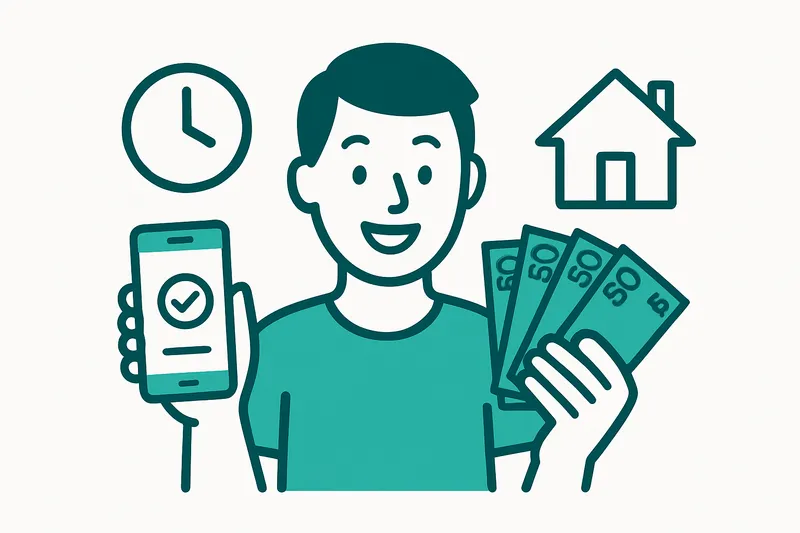
When unexpected expenses arise, waiting days or weeks for loan approval isn't an option. If you need a small loan today in Australia, understanding your options and the application process can help you secure fast cash when it matters most. Small loans typically range from $500 to $5,000 and can be approved within hours, providing immediate financial relief for urgent situations.
What Are Small Loans and How Do They Work?
Small loans are short-term financial products designed to help Australians bridge temporary cash gaps. These loans typically feature amounts between $500 and $5,000, with repayment periods ranging from a few weeks to 12 months. Unlike traditional bank loans, small loans prioritise speed and accessibility, often providing same-day approval and funding.
The process works simply: you apply online, provide basic documentation like electronic bank statements, and receive a decision within minutes. Once approved, funds are typically deposited directly into your bank account the same day. This streamlined approach makes small loans ideal for covering urgent expenses like medical bills, car repairs, or unexpected household emergencies.
Types of Fast Small Loans Available in Australia
Payday Loans
These ultra-short-term loans provide amounts typically under $2,000 with repayment due on your next payday. While convenient, they're heavily regulated by ASIC to protect consumers from excessive fees.
Personal Loans
Small personal loans offer more flexibility with amounts from $2,000 to $5,000 and longer repayment terms. They often feature lower interest rates than payday loans and more manageable repayment schedules.
Cash Advances
Some lenders offer cash advances against your regular income, providing immediate access to funds you'll repay from future earnings. These typically process within hours and require minimal documentation.
Line of Credit
A revolving credit facility lets you access funds as needed up to your approved limit. You only pay interest on what you borrow, making it cost-effective for varying short-term needs.
Eligibility Requirements for Same-Day Loans
Getting approved for a small loan today requires meeting basic eligibility criteria. Most Australian lenders require applicants to be at least 18 years old and Australian citizens or permanent residents. You'll need regular income, whether from employment, self-employment, or government benefits exceeding $300 per week.
Lenders also assess your ability to repay without financial hardship. This involves reviewing your bank statements to understand your income and expenses. While many fast loan providers accept applications from people with imperfect credit, they still need evidence you can manage repayments. Having an active Australian bank account where your income is deposited is essential, as this is where loan funds will be transferred.
The Online Application Process Explained
Applying for a small loan online takes just minutes when you have the right information ready. Start by selecting your desired loan amount and repayment term using the lender's online calculator. This helps you understand your repayment obligations before committing.
Next, complete the application form with personal details including your name, address, employment information, and income details. Most lenders use secure bank statement verification technology, allowing you to share your financial information safely and instantly. This eliminates the need to manually upload documents, speeding up the approval process significantly.
The automated assessment system reviews your application against the lender's criteria, typically providing a decision within 5-10 minutes. If approved, you'll receive a loan contract outlining terms, fees, and repayment schedule. After electronically signing the agreement, funds are usually transferred within 60 seconds to a few hours, depending on your bank's processing times.
Understanding Costs and Fees
"Transparency in lending is crucial. Always review the total cost of your loan, not just the amount you're borrowing. Understanding fees upfront prevents unwelcome surprises during repayment." - MoneySmart Australia
Small loans in Australia are subject to strict fee regulations set by ASIC. For loans under $2,000, lenders can charge an establishment fee up to 20% of the loan amount and monthly fees up to 4%. This means a $1,000 loan might cost $200 upfront plus $40 monthly. Importantly, regulations cap total fees at 200% of the original loan amount, protecting borrowers from spiraling debt.
For loans between $2,000 and $5,000, different rules apply. Lenders can charge establishment fees up to $400 and annual percentage rates up to 48%. While these costs might seem high compared to traditional bank loans, they reflect the speed, convenience, and higher risk associated with fast approval processes.
Responsible Borrowing Guidelines
Before applying for a small loan today, honestly assess whether you genuinely need immediate funds or if the expense can wait. Emergency medical costs, essential car repairs preventing you from working, or urgent home repairs qualify as genuine emergencies. However, discretionary purchases or consolidating existing debts might warrant exploring alternatives first.
Create a realistic repayment plan before borrowing. Calculate how loan repayments will fit into your budget alongside existing expenses. If repayments would leave you struggling to cover essentials like rent, food, or utilities, the loan might create more problems than it solves. Consider borrowing only what you absolutely need rather than the maximum amount offered.
Alternative Options to Consider First
Before committing to a small loan, explore whether other options might better suit your situation. Contact your utility providers, landlord, or other creditors to discuss payment plans or extensions. Many companies offer hardship provisions that could provide breathing room without additional borrowing costs.
Government assistance programs might provide support for specific situations. Centrelink advance payments, state-based emergency relief programs, or no-interest loan schemes through community organisations could offer better terms than commercial loans. Your employer might also provide salary advances or emergency assistance programs worth investigating.
Credit unions and community banks sometimes offer small amount credit contracts with lower fees than online lenders. While the application process might take longer, the savings could be substantial. Additionally, if you have assets like a car or valuable items, selling or pawning them might provide needed funds without ongoing repayment obligations.
ASIC Regulations and Consumer Protections
The Australian Securities and Investments Commission (ASIC) heavily regulates small amount credit contracts to protect consumers. Recent changes mean all credit providers must hold an Australian Credit Licence and comply with responsible lending obligations. This includes verifying your financial situation and ensuring the loan won't cause substantial hardship.
Lenders must provide clear information about all costs before you sign any agreement. They cannot charge fees for credit card payments or early repayment of your loan. If you're experiencing financial hardship, lenders must work with you to find manageable solutions rather than immediately pursuing debt collection.
From June 2025, even buy-now-pay-later services will require credit licenses, further strengthening consumer protections. These regulations ensure that while you can access fast cash when needed, you're protected from predatory lending practices.
How to Choose the Right Lender
Research is crucial when selecting a small loan provider. Start by checking the lender holds a valid Australian Credit Licence through ASIC's professional registers. Read customer reviews on independent platforms to understand others' experiences with application processes, customer service, and dispute resolution.
Compare total loan costs, not just interest rates. A lender advertising low rates might charge high establishment or ongoing fees that increase the overall cost. Use comparison calculators to understand the total amount repayable under different scenarios. Consider factors like early repayment options, hardship provisions, and customer support availability outside business hours.
Look for lenders offering features that match your needs. If you're self-employed, find providers experienced with variable income assessment. If you have imperfect credit, seek lenders specialising in bad credit loans who'll assess your current circumstances rather than just your credit score.
Common Mistakes to Avoid
Rushing the application process often leads to poor decisions. Even when you need money urgently, take time to read the loan contract thoroughly. Understanding your obligations prevents surprises and ensures you're comfortable with the terms. Never provide false information on applications, as this constitutes fraud and could have serious legal consequences.
Avoid borrowing from multiple lenders simultaneously. This practice, called loan stacking, can quickly spiral into unmanageable debt. Each application appears on your credit report, potentially damaging your credit score and future borrowing capacity. If one lender declines your application, understand why before applying elsewhere rather than submitting multiple applications hoping one succeeds.
Don't ignore communication from your lender if you're struggling with repayments. Early intervention often leads to better outcomes than waiting until you've missed multiple payments. Most lenders prefer working out manageable solutions rather than pursuing costly debt collection processes.
What Happens After Approval
Once your small loan is approved and funded, your repayment obligations begin according to the agreed schedule. Most lenders establish automatic direct debits from your nominated bank account on specified dates. Ensure sufficient funds are available to avoid dishonour fees from both your bank and the lender.
Keep all loan documentation, including the contract, payment schedules, and any correspondence with the lender. This information proves valuable if disputes arise or you need to reference loan terms. Monitor your bank statements to confirm payments process correctly and the loan balance reduces as expected.
If your circumstances change positively, consider making additional repayments or paying out the loan early. This reduces the total interest paid and frees up your budget sooner. Most small loan providers don't charge early repayment fees, making this an attractive option when possible.
Building Better Financial Habits
While small loans provide valuable emergency support, developing financial resilience reduces future reliance on borrowed funds. Start building an emergency fund, even if you can only save $20 weekly. Having even a small buffer can prevent the need for loans when unexpected expenses arise.
Review your budget to identify areas where spending could be reduced or income increased. Many Australians discover surprising savings through simple changes like switching utility providers, cancelling unused subscriptions, or meal planning to reduce food costs. These small adjustments accumulate into significant savings over time.
Consider financial counselling if you're repeatedly needing small loans. Free services through the National Debt Helpline or Financial Counselling Australia provide confidential advice on managing money, dealing with debt, and accessing support services. These professionals help develop sustainable financial strategies tailored to your situation.
Conclusion
Small loans can provide crucial financial support when you need cash today in Australia. The online application process, often completed in minutes with same-day funding, makes them ideal for genuine emergencies. However, understanding the costs involved, your repayment obligations, and alternatives available ensures you make informed decisions that support rather than strain your financial wellbeing.
Remember that while fast approval and quick funding solve immediate problems, they come with responsibilities. Borrow only what you need, ensure you can manage repayments comfortably, and always read the terms carefully. With ASIC regulations protecting consumers and responsible lending practices, small loans can be valuable financial tools when used appropriately for short-term needs.

Contributing Writer
Nathan Smith is a finance author and seasoned mortgage broker based in Sydney. With over a decade of experience in the financial sector, Nathan has helped countless Australians navigate their borrowing needs. Passionate about simplifying the loan process, his insights aim to empower consumers to make informed decisions.