A Guide to Small Online Loans in Australia
- 07 Mins read
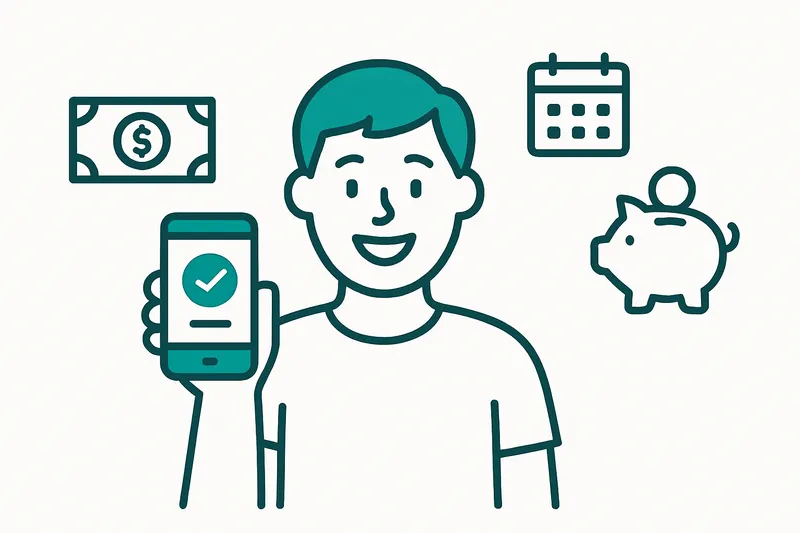
In today's fast-paced financial landscape, small online loans have emerged as a popular solution for Australians seeking quick access to funds. These digital lending options, typically ranging from $500 to $5,000, offer a streamlined alternative to traditional bank loans, providing immediate financial relief when unexpected expenses arise or when bridging gaps between pay periods becomes necessary.
What Are Small Online Loans?
Small online loans are short-term lending products that can be applied for and managed entirely through digital platforms. These loans are designed to provide quick financial assistance for amounts typically between $500 and $5,000, with the entire application process completed online without visiting a physical branch. In Australia, these loans fall under strict regulatory frameworks established by ASIC (Australian Securities and Investments Commission) to ensure consumer protection and responsible lending practices.
The digital nature of these loans means borrowers can apply 24/7 from any location with internet access, receive instant decisions in many cases, and have funds deposited directly into their bank accounts—often within the same business day. This convenience has revolutionised how Australians access emergency funds and manage short-term financial needs.
How Small Online Loans Work in Australia
The process of obtaining a small online loan in Australia is remarkably straightforward. First, borrowers complete an online application form, providing personal details, employment information, and financial circumstances. Lenders then use automated systems to assess creditworthiness, often providing instant preliminary decisions. Upon approval, loan agreements are signed electronically, and funds are typically transferred within 60 seconds to 24 hours, depending on the lender and banking processes.
Australian lenders must comply with responsible lending obligations under the National Consumer Credit Protection Act 2009. This means they're required to verify that borrowers can afford repayments without experiencing financial hardship. The assessment process includes reviewing bank statements, income verification, and existing financial commitments to ensure the loan is suitable for the borrower's circumstances.
Types of Small Online Loans Available
Small Amount Credit Contracts (SACCs)
Small Amount Credit Contracts, commonly known as payday loans, are loans between $100 and $2,000 with terms ranging from 16 days to 12 months. These loans are heavily regulated in Australia, with strict caps on fees and charges. Lenders can charge an establishment fee of up to 20% of the loan amount and a monthly fee of up to 4% of the loan amount. These regulations ensure borrowers aren't trapped in cycles of debt through excessive charges.
Personal Loans ($2,001 to $5,000)
Medium-sized personal loans offer more flexibility than SACCs and typically come with different fee structures. These loans often have longer repayment terms, ranging from 3 months to 2 years, and may offer lower interest rates for borrowers with good credit histories. They're suitable for larger unexpected expenses or consolidating multiple smaller debts.
Emergency Cash Advances
Some lenders offer emergency cash advances specifically designed for urgent situations. These products typically provide smaller amounts with very short repayment periods, often aligned with the borrower's next pay date. While convenient, borrowers should carefully consider the costs associated with these ultra-short-term options.
Benefits of Choosing Online Loans
The digital lending revolution has brought numerous advantages to Australian borrowers. The most significant benefit is speed—applications can be completed in minutes rather than hours or days required for traditional bank loans. The online process eliminates paperwork, travel time, and scheduling constraints associated with in-person appointments.
Accessibility is another major advantage. Online lenders often have more flexible eligibility criteria than traditional banks, making credit available to a broader range of borrowers, including those with less-than-perfect credit histories. The 24/7 availability means financial emergencies can be addressed outside regular banking hours, providing peace of mind when unexpected expenses arise during weekends or holidays.
Privacy and discretion are additional benefits many borrowers value. The entire process can be completed from home without face-to-face interactions, which some find less stressful than traditional lending environments. Digital platforms also provide transparent tracking of application status and loan management tools, giving borrowers greater control over their financial obligations.
Eligibility Requirements
To qualify for small online loans in Australia, borrowers typically need to meet several standard criteria. Applicants must be at least 18 years old and either Australian citizens or permanent residents. Regular income is essential, whether from employment, self-employment, or government benefits, though minimum income requirements vary between lenders.
Most lenders require an active Australian bank account for fund deposits and repayment collections. While credit checks are standard practice, many online lenders consider applications from borrowers with imperfect credit histories, focusing more on current ability to repay rather than historical credit issues.
"The key to responsible borrowing isn't just about getting approved—it's about ensuring the loan genuinely helps your financial situation without creating additional stress. Always borrow only what you need and can comfortably repay within the agreed timeframe." - Financial Counselling Australia
The Application Process Step-by-Step
Starting your application involves visiting the lender's website and selecting your desired loan amount. The online form typically takes 5-10 minutes to complete, requesting basic personal information, employment details, and income verification. You'll need to provide recent bank statements, usually covering the last 90 days, which many lenders can access electronically with your permission.
Identity verification follows, requiring documentation such as driver's licence, Medicare card, or passport details. Some lenders use advanced verification systems that can instantly confirm identity without uploading documents. The automated assessment process then evaluates your application against the lender's criteria, often providing an instant preliminary decision.
If approved, you'll receive the loan agreement electronically. It's crucial to read this document carefully, understanding all terms, fees, and repayment obligations before accepting. Once you've digitally signed the agreement, funds are transferred to your nominated account. Many lenders offer real-time payments, meaning funds arrive within minutes during business hours.
Interest Rates and Fees Explained
Understanding the cost structure of small online loans is essential for making informed borrowing decisions. For Small Amount Credit Contracts under $2,000, fees are capped by law at 20% establishment fee plus 4% monthly fee. For example, a $1,000 loan over 6 months would cost $200 establishment fee plus $240 in monthly fees, totalling $440 in charges.
Medium-sized loans between $2,001 and $5,000 have different pricing structures. These loans typically charge annual percentage rates (APRs) ranging from 16% to 48%, depending on the lender and borrower's creditworthiness. Additional fees may include application fees, monthly account-keeping fees, and early repayment fees, though many lenders waive these charges to remain competitive.
Late payment fees and default charges are regulated but can still add significant costs. Most lenders charge default fees when payments are missed, typically ranging from $10 to $35 per occurrence. Understanding these potential charges helps borrowers budget appropriately and avoid unnecessary costs.
Responsible Borrowing Practices
Successful management of small online loans requires careful planning and disciplined financial behaviour. Before applying, create a detailed budget showing how repayments will fit alongside existing expenses. Consider whether the loan is for a genuine need or a want—emergency medical expenses or essential car repairs justify borrowing more than discretionary purchases.
Only borrow what you absolutely need, even if approved for a higher amount. Larger loans mean higher fees and longer repayment periods, potentially affecting your financial flexibility for months ahead. Set up automatic repayments to avoid missed payments and associated fees. Many lenders offer flexible repayment schedules aligned with your pay cycle, making budgeting easier.
If financial circumstances change, communicate with your lender immediately. Most providers have hardship provisions allowing payment deferrals or restructuring during temporary financial difficulties. Proactive communication prevents defaults and protects your credit rating for future borrowing needs.
Common Mistakes to Avoid
Many borrowers fall into preventable traps when taking small online loans. The most common mistake is borrowing from multiple lenders simultaneously, creating an unsustainable debt burden. Each loan application appears on your credit file, and multiple applications can negatively impact your credit score and future borrowing capacity.
Failing to read loan agreements thoroughly is another critical error. Terms and conditions contain essential information about fees, repayment schedules, and borrower obligations. Misunderstanding these terms can lead to unexpected costs or breaches of contract. Take time to understand every aspect of the agreement before accepting.
Using small loans for ongoing expenses rather than one-off emergencies often leads to dependency cycles. If you're regularly relying on loans to meet basic living expenses, this indicates underlying budgeting issues requiring different solutions, such as financial counselling or income support services.
Alternatives to Consider
Before committing to a small online loan, explore alternative funding options that might better suit your situation. Credit cards with interest-free periods can be cost-effective for short-term needs if balances are cleared before interest charges apply. However, discipline is required to avoid accumulating ongoing credit card debt.
Buy Now Pay Later (BNPL) services offer interest-free instalments for specific purchases, though these are becoming more regulated from June 2025 with mandatory credit checks. While convenient for planned purchases, BNPL services aren't suitable for cash emergencies and can encourage overspending.
Community organisations and government assistance programs provide support for specific circumstances. Centrelink advances, no-interest loan schemes (NILS), and utility hardship programs might offer better solutions for eligible individuals. These alternatives often provide more favourable terms than commercial loans.
Regulatory Protection and Your Rights
Australian consumers enjoy robust protections when borrowing through licensed credit providers. ASIC oversees the credit industry, ensuring lenders comply with responsible lending obligations and treat customers fairly. All legitimate lenders must hold Australian Credit Licences and belong to external dispute resolution schemes.
The National Credit Code provides comprehensive consumer protections, including cooling-off periods, hardship provisions, and limits on fees and charges. Borrowers have rights to receive clear information about loan costs, request hardship variations if circumstances change, and access free external dispute resolution if problems arise.
If you experience issues with a lender, first attempt resolution through their internal complaints process. If unsatisfied, the Australian Financial Complaints Authority (AFCA) provides free, independent dispute resolution. MoneySmart, ASIC's consumer website, offers extensive resources about borrowing rights and responsible lending practices.
Making the Right Choice
Selecting the right small online loan requires careful comparison of multiple factors beyond just interest rates. Consider the total cost of borrowing, including all fees and charges over the loan term. Evaluate repayment flexibility—can you make extra payments without penalty, or adjust payment dates if needed?
Research lender reputations through online reviews and ASIC's enforcement actions database. Legitimate lenders are transparent about costs, don't pressure quick decisions, and provide clear documentation. Be wary of lenders promising guaranteed approval or requesting upfront payments before loan approval.
Consider your long-term financial goals when borrowing. While small online loans solve immediate problems, they shouldn't compromise future financial stability. A slightly higher interest rate from a reputable lender offering better customer service and flexibility might prove more valuable than the cheapest option available.
Conclusion
Small online loans represent a valuable financial tool for Australians facing short-term funding needs, offering unprecedented convenience and accessibility compared to traditional lending options. The digital transformation of lending has democratised access to credit, providing solutions for emergency expenses and temporary cash flow challenges that might otherwise cause significant financial stress.
However, with this convenience comes responsibility. Successful use of small online loans requires understanding the costs involved, honestly assessing repayment capacity, and choosing reputable lenders operating within Australia's regulatory framework. By following responsible borrowing practices and considering alternatives where appropriate, these loans can serve their intended purpose without creating longer-term financial difficulties.
The key to maximising the benefits while minimising risks lies in education and careful planning. Use the information provided to make informed decisions, borrow only what you need, and always prioritise repayment to maintain good financial health. With the right approach, small online loans can be stepping stones to financial stability rather than stumbling blocks to debt accumulation.

Contributing Writer
Nathan Smith is a finance author and seasoned mortgage broker based in Sydney. With over a decade of experience in the financial sector, Nathan has helped countless Australians navigate their borrowing needs. Passionate about simplifying the loan process, his insights aim to empower consumers to make informed decisions.