A Guide to Small Money Loans in Australia
- 05 Mins read
What Are Small Money Loans?
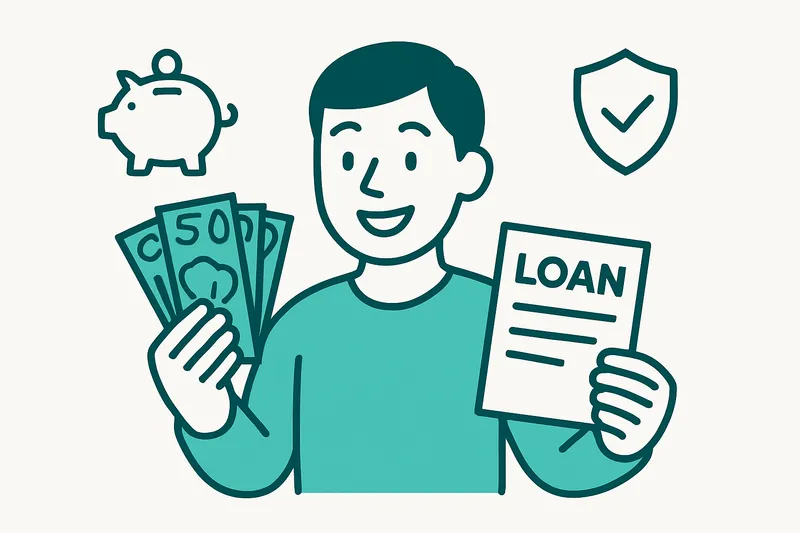
Small money loans in Australia typically refer to personal loans ranging from $500 to $5,000, designed to help individuals cover unexpected expenses or bridge financial gaps. These loans are regulated under the National Consumer Credit Protection Act 2009 (NCCP) and overseen by the Australian Securities and Investments Commission (ASIC), ensuring borrowers receive fair treatment and transparent terms. Whether you need funds for emergency repairs, medical bills, or unexpected costs, small money loans provide quick access to cash with structured repayment plans.
Types of Small Money Loans Available
Small Amount Credit Contracts (SACCs)
SACCs are loans between $100 and $2,000 that must be repaid within 16 days to 12 months. These regulated loans cannot charge interest but can include:
- An establishment fee of up to 20% of the loan amount
- Monthly fees capped at 4% of the loan amount
- Strict responsible lending obligations to protect vulnerable borrowers
Medium Amount Credit Contracts (MACCs)
For loans between $2,001 and $5,000 with terms up to two years, MACCs offer:
- Maximum establishment fee of $400
- Interest rates capped at 48% per annum (inclusive of fees)
- More flexible repayment options than SACCs
Personal Loans from Banks
Traditional banks offer small personal loans with:
- Generally lower interest rates (6-20% per annum)
- Stricter eligibility requirements
- Longer approval processes
- Minimum amounts typically starting from $2,000
Online Lender Options
Digital lenders provide:
- Same-day approval and funding
- Streamlined application processes
- More lenient credit requirements
- Competitive rates for qualified borrowers
Understanding Interest Rates and Fees
The cost structure of small money loans varies significantly depending on the loan type and provider. Under Australian law, all lenders must comply with interest rate caps and fee limitations. For SACCs, while no interest is charged, the combined establishment and monthly fees can represent a significant cost when calculated as an annual percentage rate.
Medium amount loans face a 48% per annum cap on all charges combined, providing consumer protection while allowing lenders to manage risk. Traditional bank loans typically offer the lowest rates but require stronger credit profiles and may involve longer waiting periods.
"Understanding the true cost of borrowing is essential. Always review the comparison rate, which includes both interest and fees, to get the full picture of what you'll pay." - MoneySmart Australia
Eligibility Requirements
To qualify for a small money loan in Australia, you must typically:
Basic Requirements
- Be at least 18 years old
- Hold Australian citizenship or permanent residency
- Have a regular source of income
- Possess an active Australian bank account
- Provide valid identification
Income Verification
Lenders assess your ability to repay through:
- Recent payslips or employment contracts
- Bank statements showing regular deposits
- Centrelink payment schedules (some lenders accept)
- Self-employment income documentation
Credit History Considerations
While perfect credit isn't always necessary:
- Recent defaults on similar loans may result in rejection
- Multiple recent credit inquiries can impact approval
- Some lenders specialise in bad credit loans with adjusted terms
How to Apply for a Small Money Loan
Step 1: Assess Your Needs
Calculate exactly how much you need to borrow and determine realistic repayment timeframes. Borrowing only what's necessary reduces overall costs and financial stress.
Step 2: Compare Lenders
Research multiple providers, comparing:
- Interest rates and fees
- Repayment flexibility
- Customer reviews and ratings
- Approval timeframes
- Customer service quality
Step 3: Check Your Credit Score
Obtain a free credit report from Equifax, Experian, or illion to understand your creditworthiness and correct any errors before applying.
Step 4: Gather Documentation
Prepare required documents:
- Driver's licence or passport
- Recent payslips (usually last 2-3)
- Bank statements (typically 90 days)
- Proof of address
- Employment details
Step 5: Submit Your Application
Complete the online or in-person application accurately, ensuring all information matches your documentation to avoid delays.
Step 6: Review Loan Terms
Once approved, carefully review:
- Total amount payable
- Repayment schedule
- Early repayment options
- Default fees and penalties
- Hardship provisions
Responsible Lending Obligations
Australian law requires lenders to conduct thorough assessments before approving loans. This includes:
Suitability Assessments
Lenders must verify that:
- The loan meets your requirements and objectives
- You can afford repayments without substantial hardship
- The contract terms are appropriate for your situation
Income and Expense Verification
Responsible lenders will:
- Review your income sources thoroughly
- Assess living expenses and existing commitments
- Calculate debt-to-income ratios
- Consider potential financial changes
Consumer Protections
ASIC enforces regulations ensuring:
- Clear disclosure of all costs
- Prohibition of unsolicited credit offers
- Cooling-off periods for certain loans
- Access to financial hardship assistance
Pros and Cons of Small Money Loans
Advantages
- Quick Access to Funds: Many lenders offer same-day approval and funding
- Minimal Documentation: Streamlined application processes
- Flexible Use: No restrictions on how funds are spent
- Build Credit History: Timely repayments improve credit scores
- Regulated Market: Strong consumer protections under Australian law
Disadvantages
- Higher Costs: Interest rates exceed those of secured loans
- Short Repayment Terms: Can create budget pressure
- Credit Impact: Missed payments damage credit ratings
- Debt Cycle Risk: Easy access may encourage over-borrowing
- Limited Amounts: May not cover larger expenses
Alternatives to Consider
Credit Cards
For ongoing expenses or emergencies, credit cards offer:
- Interest-free periods on purchases
- Rewards programs
- Revolving credit access
- Lower rates for good credit
Buy Now Pay Later Services
BNPL options provide:
- Interest-free instalments
- No credit checks for small amounts
- Instant approval
- Merchant partnerships
Overdraft Facilities
Bank overdrafts offer:
- Immediate access to funds
- Pay interest only on amount used
- No fixed repayment schedule
- Lower rates for existing customers
Community Finance Options
No-interest loan schemes (NILS) provide:
- Loans up to $1,500 with no fees or interest
- Support for essential goods and services
- Financial counselling assistance
- Extended repayment periods
Managing Your Small Loan Responsibly
Create a Repayment Plan
Establish a realistic budget that prioritises loan repayments while maintaining essential living expenses. Set up automatic payments to avoid missing due dates and incurring additional fees.
Communicate with Your Lender
If experiencing financial difficulty:
- Contact your lender immediately
- Request hardship variations
- Explore repayment alternatives
- Document all communications
Avoid Multiple Loans
Resist the temptation to take multiple small loans simultaneously. Australian regulations limit SACC borrowing to prevent debt spirals, but responsibility ultimately lies with borrowers.
Build Emergency Savings
Once your loan is repaid, redirect those payments into an emergency fund to reduce future borrowing needs.
Common Mistakes to Avoid
Borrowing More Than Needed
Only borrow what's absolutely necessary, as larger loans mean higher fees and longer repayment obligations.
Ignoring the Fine Print
Always read and understand all terms, including:
- Default fees and penalties
- Early repayment charges
- Variable rate conditions
- Insurance requirements
Missing Repayments
Late payments result in:
- Additional fees and charges
- Negative credit reporting
- Potential legal action
- Difficulty obtaining future credit
Not Shopping Around
Different lenders offer varying rates and terms. Comparing options can save hundreds of dollars over the loan term.
Regulatory Updates and Consumer Rights
The Australian credit landscape continues evolving with enhanced consumer protections. Recent regulatory focus includes:
Design and Distribution Obligations
Lenders must ensure products are appropriate for target markets and regularly review their offerings for consumer suitability.
Enhanced Responsible Lending
ASIC continues refining guidance on responsible lending obligations, emphasising thorough affordability assessments and consumer understanding.
Dispute Resolution
The Australian Financial Complaints Authority (AFCA) provides free, independent dispute resolution for consumers experiencing issues with credit providers.
Making the Right Choice
Small money loans serve a valuable purpose in the Australian financial ecosystem, providing quick access to funds when needed most. However, they should be approached with careful consideration and full understanding of associated costs and obligations.
Before committing to any loan:
- Exhaust alternative options
- Calculate total repayment costs
- Ensure sustainable repayments
- Choose reputable, licensed lenders
- Maintain open communication throughout the loan term
Remember that while small money loans offer convenience and accessibility, they're tools that require responsible use. By understanding your rights, obligations, and alternatives, you can make informed decisions that support rather than strain your financial wellbeing.
Whether facing an emergency expense or bridging a temporary cash flow gap, approach small money loans as a calculated financial decision rather than an impulsive solution. With proper planning and responsible borrowing, these loans can provide the financial flexibility you need while maintaining long-term financial health.

Contributing Writer
Nathan Smith is a finance author and seasoned mortgage broker based in Sydney. With over a decade of experience in the financial sector, Nathan has helped countless Australians navigate their borrowing needs. Passionate about simplifying the loan process, his insights aim to empower consumers to make informed decisions.