A Guide to Short Loans in Australia
- 07 Mins read
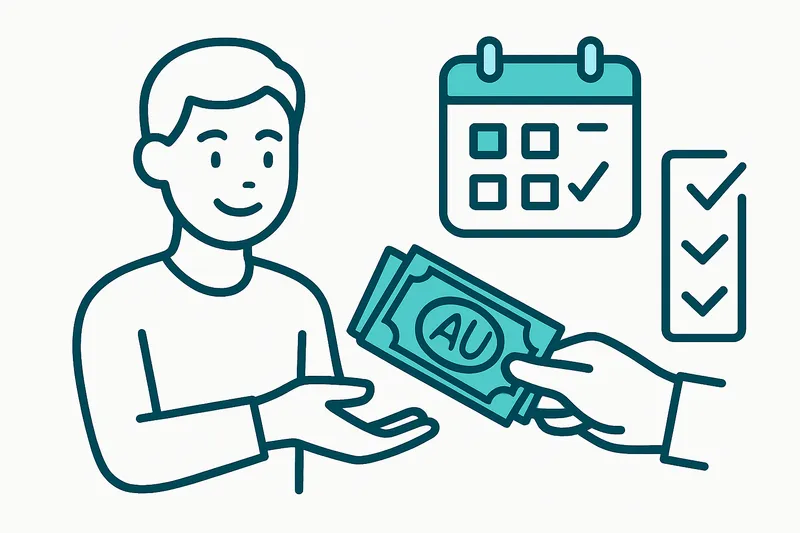
When unexpected expenses arise or opportunities present themselves, short loans in Australia can provide the financial flexibility you need. These lending solutions offer quick access to funds ranging from $500 to $25,000, typically with repayment periods from a few weeks to two years. Understanding how short-term borrowing works, the associated costs, and your eligibility requirements helps ensure you make informed financial decisions.
What Are Short Loans?
Short loans are financial products designed to provide quick access to smaller amounts of money for brief periods. Unlike traditional personal loans that might extend over five years or more, these loans typically feature repayment terms ranging from 16 days to 24 months. In Australia, short-term lending falls under several categories regulated by ASIC, including Small Amount Credit Contracts (SACCs) for loans up to $2,000 and Medium Amount Credit Contracts (MACCs) for loans between $2,001 and $5,000.
The defining characteristic of these loans lies in their accessibility and speed. Most lenders process applications within hours, often providing same-day funding for approved applicants. This rapid turnaround makes them particularly suitable for covering urgent expenses like medical bills, car repairs, or temporary cash flow gaps between pay cycles.
Types of Short Loans Available in Australia
Payday Loans
Despite their controversial reputation, payday loans remain available through licensed lenders. These ultra-short-term loans typically offer between $100 and $2,000, with repayment expected on your next payday. Australian regulations cap establishment fees at 20% of the loan amount and monthly fees at 4%, protecting consumers from excessive charges.
Cash Advances
Operating similarly to payday loans, cash advances provide immediate access to funds against your expected income. Many employers now offer earned wage access programs, allowing workers to access portions of their earned but unpaid wages before payday without traditional loan fees.
Personal Microloans
These loans bridge the gap between payday loans and traditional personal loans, offering amounts from $2,000 to $5,000. With terms typically ranging from three months to one year, they provide more breathing room for repayment while maintaining relatively quick approval processes.
Emergency Hardship Loans
No Interest Loan Schemes (NILS) and StepUP loans offer alternatives for eligible Australians facing financial hardship. These programs, supported by the government and community organisations, provide loans up to $3,000 with no interest or fees, though eligibility criteria apply.
Eligibility Requirements for Short-Term Borrowing
Australian lenders maintain specific criteria for short loan applicants. Understanding these requirements helps streamline your application process and improves approval chances.
Basic Requirements
Most lenders require applicants to be at least 18 years old (some require 19 or 21), hold Australian citizenship or permanent residency, and maintain regular income. The income threshold varies between lenders, typically starting from $1,000 per fortnight, though some accept lower amounts for smaller loans.
Income Verification
Lenders assess your ability to repay through income verification. This includes employment income, Centrelink benefits (for some lenders), or self-employment earnings. You'll need to provide recent payslips, bank statements showing regular deposits, or tax returns for self-employed applicants.
Credit History Considerations
While short-term lenders often advertise "no credit check" loans, they still conduct responsible lending assessments. Many use comprehensive credit reporting, considering positive payment history alongside any defaults. Some specialise in bad credit loans, though these typically carry higher interest rates.
The Application Process Explained
Modern technology has streamlined short loan applications, with most processes completed entirely online within minutes.
Step 1: Initial Assessment
Begin by using the lender's online calculator to determine your borrowing capacity and estimated repayments. This tool considers your income, expenses, and desired loan amount to provide realistic expectations.
Step 2: Online Application
Complete the digital application form, providing personal details, employment information, and financial circumstances. Most applications take 5-10 minutes to complete.
Step 3: Documentation
Upload required documents through the secure portal. Typically, you'll need:
- Photo identification (driver's licence or passport)
- Recent bank statements (usually 90 days)
- Proof of income (payslips or Centrelink statements)
- Proof of address (utility bill or rental agreement)
Step 4: Assessment and Approval
Lenders use automated systems to assess applications quickly. Many provide conditional approval within minutes, followed by manual verification for final approval. This process typically completes within 24 hours.
Step 5: Fund Disbursement
Upon approval, funds transfer directly to your nominated bank account. Same-day funding is common for applications approved before cut-off times (usually 3 PM AEST on business days).
Interest Rates and Fees Structure
Understanding the true cost of short-term borrowing requires examining both advertised rates and additional fees.
Interest Rate Ranges
Short loan interest rates vary significantly based on loan type, amount, and your creditworthiness. Current market rates range from 5.95% p.a. for secured loans to 48% p.a. for high-risk unsecured loans. Small amount credit contracts don't charge interest but apply establishment and monthly fees instead.
Fee Structures
Common fees include:
- Establishment fees: One-time charges for setting up the loan, capped at 20% for SACCs
- Monthly account fees: Ongoing charges, limited to 4% monthly for small amount loans
- Late payment fees: Penalties for missed payments, typically $10-50 per occurrence
- Direct debit dishonour fees: Charges when automatic payments fail due to insufficient funds
Comparison Rates
Always check the comparison rate, which includes both interest and standard fees, providing a clearer picture of the total cost. For example, a loan advertised at 7% p.a. might have a comparison rate of 8.41% p.a. after including fees.
Benefits of Short-Term Financing
Quick Access to Funds
The primary advantage remains speed. When facing urgent expenses, waiting weeks for traditional loan approval isn't feasible. Short loans provide relief within hours or days, preventing situations from escalating.
Flexible Approval Criteria
These loans often accommodate borrowers who might struggle with traditional lending criteria. Part-time workers, contractors, and even some Centrelink recipients can access funds when banks might decline their applications.
Building Credit History
Regular, on-time repayments of short loans contribute positively to your credit file. For young adults or new residents building Australian credit history, responsibly managed short loans provide a stepping stone to larger credit products.
No Asset Requirements
Unlike secured loans requiring collateral, most short-term loans are unsecured. This protects your assets while providing needed funds, though it typically results in higher interest rates.
Potential Risks and Considerations
While short loans solve immediate problems, they carry risks requiring careful consideration.
Debt Spiral Risk
The convenience of short loans can lead to dependency. Borrowers might take new loans to repay existing ones, creating a costly cycle. ASIC regulations now limit consumers to one SACC at a time and prohibit loans if repayments would exceed 20% of gross income.
Higher Overall Costs
The combination of higher interest rates and fees means short loans cost significantly more per dollar borrowed than traditional loans. A $1,000 loan repaid over three months might cost $1,240 total, representing a 24% increase.
Impact on Future Borrowing
Multiple short loan applications appear on your credit report, potentially affecting future credit applications. Lenders might view frequent short-term borrowing as financial instability.
Aggressive Collection Practices
Some lenders employ persistent collection methods for overdue accounts. While regulated, these practices can cause stress and potentially damage relationships if you've used guarantors.
Alternatives to Consider
Before committing to a short loan, explore these alternatives:
Credit Cards
For ongoing flexibility, credit cards might prove more economical. With interest-free periods on purchases and lower ongoing rates, they suit regular short-term funding needs.
Buy Now Pay Later Services
BNPL platforms like Afterpay and Zip offer interest-free instalment payments for purchases. While not suitable for cash needs, they help manage retail expenses without traditional loan costs.
Overdraft Facilities
Bank overdrafts provide pre-approved borrowing capacity on your transaction account. Though interest rates are high, you only pay for funds actually used.
Payment Plans
Many service providers offer payment arrangements for overdue accounts. Utilities, telecommunications companies, and medical providers often provide interest-free payment plans for customers experiencing hardship.
Community Support
Financial counselling services, available free through the National Debt Helpline (1800 007 007), can negotiate with creditors and identify support programs you might not know exist.
Responsible Borrowing Strategies
Accurate Budget Assessment
Before applying, create a detailed budget including all income and expenses. Factor in the loan repayments to ensure they won't compromise essential expenses. MoneySmart's budget planner provides a comprehensive tool for this assessment.
Minimum Borrowing Rule
Only borrow what you absolutely need. While lenders might approve higher amounts, additional borrowing increases costs and repayment pressure.
Repayment Planning
Establish a clear repayment strategy before accepting funds. Consider setting up automatic payments to avoid late fees and maintain positive credit reporting.
Emergency Fund Development
Use this experience as motivation to build an emergency fund. Even small regular savings can prevent future short-term borrowing needs.
Regulatory Protections for Borrowers
"Australian consumers benefit from some of the strongest credit protections globally, with ASIC actively monitoring and enforcing responsible lending obligations to prevent predatory practices." - ASIC Report 2024
Responsible Lending Obligations
Lenders must verify that loans are suitable and won't cause financial hardship. This includes assessing your income, expenses, and existing commitments before approval.
Cooling-Off Periods
Most credit contracts include a cooling-off period, allowing you to cancel within two business days without penalty if you haven't received the funds.
Hardship Provisions
If circumstances change, you're entitled to request hardship variations. Lenders must consider requests to modify payment terms when you're experiencing financial difficulty.
Dispute Resolution
All licensed lenders must belong to an External Dispute Resolution scheme. The Australian Financial Complaints Authority (AFCA) provides free, independent dispute resolution if you can't resolve issues directly with your lender.
Making an Informed Decision
Short loans serve a valuable purpose in Australia's financial landscape, providing accessible funding for urgent needs. However, their convenience comes with higher costs and potential risks. Success with short-term borrowing depends on careful planning, honest assessment of your financial situation, and commitment to responsible repayment.
Before proceeding, compare multiple lenders, understanding their rates, fees, and terms. Read the fine print, particularly regarding early repayment options and default consequences. Most importantly, ensure the loan solves a temporary problem rather than creating a long-term burden.
Consider whether the expense truly requires immediate funding or if alternative solutions exist. Sometimes, negotiating payment terms directly with service providers or seeking community support provides better outcomes than borrowing.
Key Takeaways
Short loans offer quick financial relief for Australians facing unexpected expenses or temporary cash shortfalls. With amounts from $500 to $25,000 and terms typically under two years, they fill the gap between credit cards and traditional personal loans. While accessibility and speed make them attractive, higher costs and potential debt cycle risks require careful consideration.
Success with short-term borrowing requires understanding the true costs, meeting eligibility requirements, and maintaining realistic repayment expectations. Australian regulations provide strong consumer protections, but personal responsibility remains crucial. Explore alternatives, borrow only what's necessary, and prioritise building emergency savings to reduce future borrowing needs.
Whether facing car repairs, medical expenses, or temporary income gaps, short loans can provide solutions when used wisely. By understanding the product, knowing your rights, and borrowing responsibly, you can navigate financial challenges while maintaining long-term financial health.

Contributing Writer
Nathan Smith is a finance author and seasoned mortgage broker based in Sydney. With over a decade of experience in the financial sector, Nathan has helped countless Australians navigate their borrowing needs. Passionate about simplifying the loan process, his insights aim to empower consumers to make informed decisions.