A Guide to Easy Approval Small Loans in Australia
- 06 Mins read
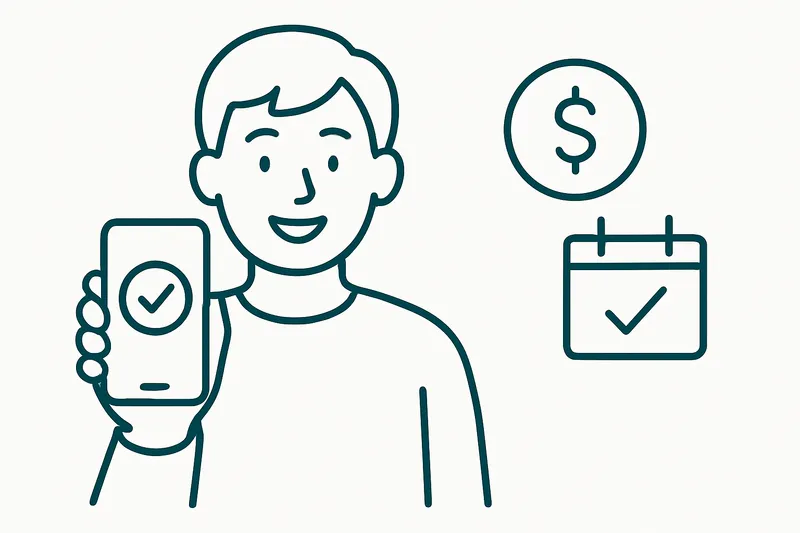
When facing unexpected expenses or financial gaps, many Australians turn to small loans as a practical solution. Small loans with easy approval processes offer a lifeline for those needing quick access to funds without the lengthy paperwork and strict requirements of traditional bank loans. These loans typically range from $500 to $5,000 and are designed to be accessible, with streamlined application processes that can provide same-day funding in many cases.
What Are Easy Approval Small Loans?
Easy approval small loans are short-term financial products designed to provide quick access to modest amounts of money with minimal application hurdles. Unlike traditional personal loans from banks, these loans focus on simplified eligibility criteria and faster processing times. In Australia, they're regulated under the National Consumer Credit Protection Act (NCCPA) and overseen by ASIC, ensuring borrower protections are in place.
These loans typically feature online applications that can be completed in 5-12 minutes, automated credit assessments, and funding that can occur within hours of approval. The "easy approval" aspect doesn't mean everyone gets approved automatically, but rather that the process is streamlined and considers a broader range of financial situations than conventional lending.
How the Application Process Works
The journey to securing a small loan begins with checking basic eligibility requirements. Most lenders require applicants to be at least 18 years old, hold Australian citizenship or permanent residency, have a regular income source, and possess an active Australian bank account. Some lenders also offer pre-qualification checks that don't impact your credit score, allowing you to gauge your chances of approval before formally applying.
The application itself is typically completed online through the lender's website or mobile app. You'll need to provide personal information including your full name, address, and contact details. Employment information such as your employer's details and income frequency is also required. Financial details including your bank account information and regular expenses help lenders assess your ability to repay the loan.
Most modern lenders use automated systems to verify your information quickly. They may request read-only access to your bank statements through secure banking APIs, which allows them to assess your financial situation in real-time without manual document submission. This technology significantly speeds up the approval process while maintaining security.
Understanding Approval Criteria
While these loans are marketed as "easy approval," lenders still conduct responsible lending assessments as required by Australian law. The key difference is that they often take a more holistic view of your financial situation rather than relying solely on credit scores.
Income verification remains crucial. Lenders need to see that you have a steady income stream, whether from employment, self-employment, or government benefits. Many lenders accept Centrelink payments as income, though usually with certain conditions. The consistency of your income often matters more than the amount, as lenders want assurance that you can meet regular repayments.
Your existing financial commitments play a significant role in the assessment. Lenders examine your current debts, regular bills, and living expenses to ensure adding a new loan won't cause financial stress. This is part of their responsible lending obligations under Australian law.
Credit history is considered but isn't always the deciding factor. Many easy approval lenders specialise in working with customers who have less-than-perfect credit. They may look at recent financial behaviour rather than historical defaults, focusing on your current ability to repay rather than past mistakes.
Types of Small Loans Available
The Australian market offers several types of small loans, each with different features and regulations. Small Amount Credit Contracts (SACCs) are loans up to $2,000 with terms between 16 days and 12 months. These are heavily regulated with caps on fees and charges to protect vulnerable borrowers. The maximum you can be charged is an establishment fee of 20% of the loan amount and a monthly fee of 4%.
Medium amount credit contracts cover loans from $2,001 to $5,000 with terms up to two years. These have different fee structures and slightly less stringent regulations than SACCs, though consumer protections still apply. Establishment fees can be up to $400, with annual interest rates capped at 48%.
Some lenders offer secured small loans where you provide collateral, typically a vehicle, which can result in higher approval rates and potentially better terms. However, this comes with the risk of losing your asset if you can't repay the loan.
Benefits and Advantages
The primary advantage of easy approval small loans is speed. When facing urgent expenses like medical bills, car repairs, or emergency travel, waiting weeks for bank approval isn't practical. These loans can provide funds within hours, addressing immediate financial needs.
The simplified application process removes many traditional lending barriers. There's no need for lengthy paperwork, in-person appointments, or complex documentation. Everything can be handled online from your phone or computer, making it convenient for busy individuals or those in regional areas.
Flexibility in credit requirements opens doors for borrowers who might be excluded from traditional lending. Whether you're self-employed with variable income, new to credit, or rebuilding after financial difficulties, these loans provide options when banks might say no.
The transparent fee structures mandated by Australian regulations mean you know exactly what you'll pay. There are no hidden charges or surprise fees, and early repayment is allowed without penalty, potentially saving you money if your situation improves.
Potential Risks and Considerations
Despite their benefits, easy approval small loans require careful consideration. The convenience comes at a cost, with interest rates and fees typically higher than traditional bank loans. What seems manageable in monthly payments can add up to a significant total repayment amount.
The ease of access can lead to impulsive borrowing. Without the cooling-off period that longer application processes provide, it's easier to take on debt without fully considering alternatives or whether the expense is truly necessary.
"Before taking any loan, ask yourself: Is this expense urgent and necessary? Have I explored all other options? Can I realistically afford the repayments without compromising my essential expenses? The answers to these questions should guide your decision." - Financial Counselling Australia
There's also the risk of entering a debt cycle. If you're already struggling financially, adding loan repayments might worsen your situation, potentially leading to needing another loan to cover the first one. This pattern can quickly spiral into unmanageable debt.
Responsible Borrowing Strategies
Successful use of small loans starts with honest assessment of your needs and capacity. Calculate the total cost of the loan, not just the monthly payments. Factor in the establishment fee, monthly fees, and any other charges to understand the true cost of borrowing.
Create a repayment plan before applying. Map out how the repayments will fit into your budget alongside existing expenses. Consider what would happen if your income decreased or unexpected expenses arose during the loan term.
Borrow only what you need. While you might be approved for $5,000, if you only need $2,000 for car repairs, stick to the smaller amount. Lower borrowing means lower fees and easier repayment.
Set up automatic repayments to avoid missing payments and incurring additional fees. Most lenders offer direct debit options that align with your pay cycle, making repayment seamless.
Alternatives to Consider
Before committing to a small loan, explore other options that might better suit your situation. Credit cards, despite their reputation, might be cheaper for short-term borrowing if you can pay off the balance during an interest-free period.
Payment plans offered directly by service providers often come with no interest or fees. Many utility companies, medical providers, and even retailers offer instalment plans that spread costs without additional charges.
Government and community support services provide assistance for specific situations. Emergency relief programs, no-interest loan schemes (NILS), and financial counselling services can offer support without the burden of commercial loan costs.
Family and friends might be willing to help, though this requires careful handling to preserve relationships. If you go this route, treat it professionally with clear terms and repayment schedules.
The Regulatory Landscape
Australian regulations provide significant protections for small loan borrowers. ASIC oversees the sector, ensuring lenders comply with responsible lending laws and fee caps. Recent changes have strengthened these protections, particularly for vulnerable consumers.
The prohibition on unsolicited loan offers means lenders cannot cold-call or send unsolicited invitations for SACCs. This protects consumers from high-pressure sales tactics that might lead to poor borrowing decisions.
Lenders must conduct thorough assessments to ensure loans are suitable and affordable. This includes verifying income, examining bank statements, and considering your financial situation holistically. While this might seem to contradict "easy approval," it protects you from unaffordable debt.
Making the Right Choice
Choosing the right small loan requires comparing multiple lenders. Look beyond advertised rates to understand the full cost, including all fees. Check the lender's reputation through reviews and whether they're properly licenced with ASIC.
Consider the loan term carefully. Shorter terms mean higher repayments but lower total cost, while longer terms spread the cost but increase the total amount paid. Find the balance that works for your budget.
Read the contract thoroughly before signing. Understand the repayment schedule, what happens if you miss a payment, and any conditions that might trigger additional fees. Don't hesitate to ask questions if anything is unclear.
Technology and Innovation
The small loan sector continues to evolve with technology. Open banking allows

Contributing Writer
Nathan Smith is a finance author and seasoned mortgage broker based in Sydney. With over a decade of experience in the financial sector, Nathan has helped countless Australians navigate their borrowing needs. Passionate about simplifying the loan process, his insights aim to empower consumers to make informed decisions.